

What is the role of the pulley in an Automanual Single - axis Mechanical Grinder?
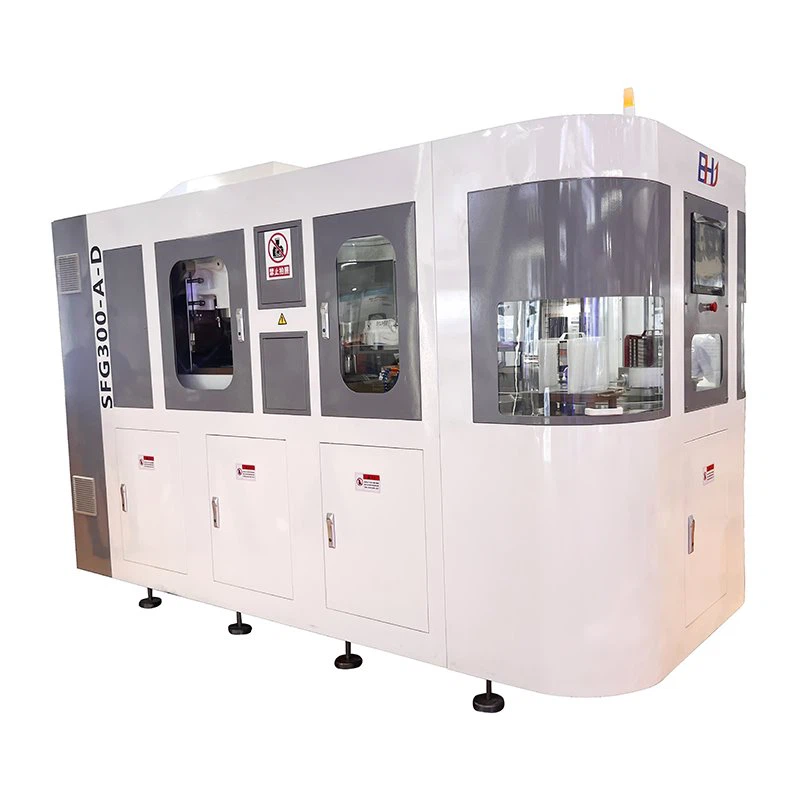
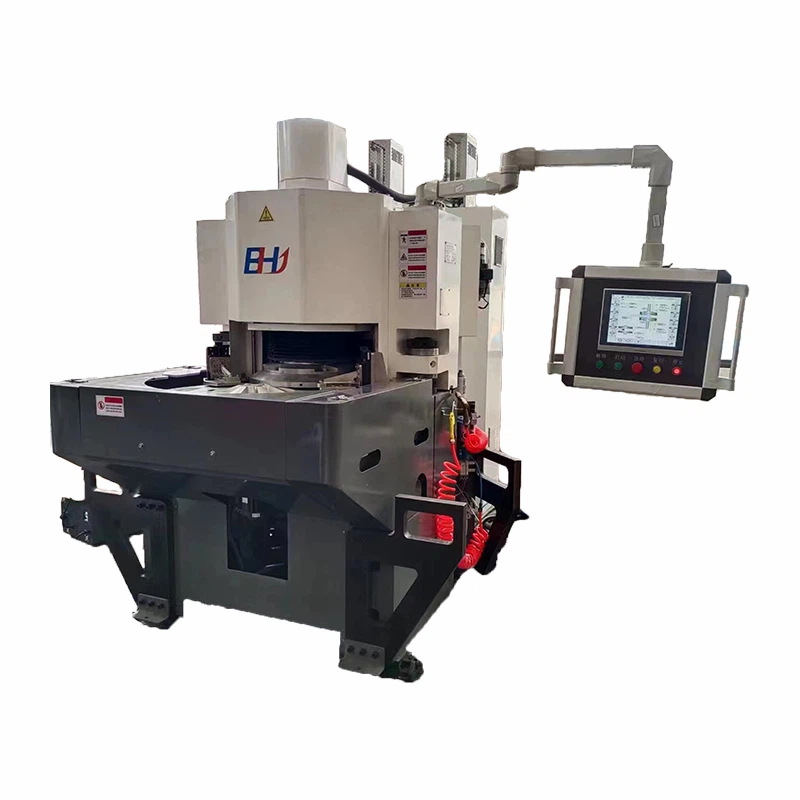
In the realm of precision machining, the Automanual Single - axis Mechanical Grinder stands as a remarkable piece of equipment, offering a blend of automation and manual control for high - quality grinding operations. One of the often - overlooked yet crucial components within this machine is the pulley. As a supplier of Automanual Single - axis Mechanical Grinders, I am well - versed in the significance of the pulley and its multifaceted role in the overall functionality of the grinder.
The Basics of a Pulley in an Automanual Single - axis Mechanical Grinder
A pulley, in its simplest form, is a wheel with a grooved rim around which a rope, chain, or belt runs. In the context of an Automanual Single - axis Mechanical Grinder, pulleys are used in conjunction with belts to transfer power from the motor to various moving parts of the machine. This power transmission is the backbone of the grinder's operation, enabling it to carry out the grinding process efficiently.
The motor in the grinder generates rotational energy. However, this energy needs to be transferred to the grinding wheel and other components in a controlled and reliable manner. Pulleys act as the intermediaries in this energy transfer process. By adjusting the size and ratio of the pulleys, we can control the speed and torque of the grinding wheel. A larger pulley on the motor side and a smaller pulley on the grinding wheel side will result in an increase in the rotational speed of the grinding wheel, while a smaller motor pulley and a larger grinding wheel pulley will reduce the speed but increase the torque.
Speed and Torque Adjustment
One of the primary roles of the pulley in an Automanual Single - axis Mechanical Grinder is to provide flexibility in speed and torque adjustment. Different grinding tasks require different speeds and torques. For example, when grinding a hard and brittle material, a lower speed and higher torque may be required to prevent cracking and ensure a smooth finish. On the other hand, when grinding a softer material, a higher speed can be used to increase the efficiency of the grinding process.
As a supplier, we understand that our customers have diverse grinding needs. The pulley system in our Automanual Single - axis Mechanical Grinders allows for easy adjustment of these parameters. By simply changing the pulleys or the belt tension, operators can fine - tune the speed and torque of the grinding wheel to match the specific requirements of the job at hand. This flexibility not only improves the quality of the grinding but also extends the lifespan of the grinding wheel and other components by preventing excessive wear and tear.
Belt Tension and Power Transmission Efficiency
Another critical aspect of the pulley's role is maintaining proper belt tension. The belt that runs around the pulleys must be under the right amount of tension to ensure efficient power transmission. If the belt is too loose, it may slip on the pulleys, resulting in a loss of power and inconsistent grinding performance. On the other hand, if the belt is too tight, it can put excessive stress on the pulleys, bearings, and the motor, leading to premature wear and potential breakdowns.
Our Automanual Single - axis Mechanical Grinders are designed with pulley systems that allow for easy adjustment of belt tension. We provide clear instructions to our customers on how to check and adjust the belt tension regularly. This ensures that the power from the motor is transferred to the grinding wheel with minimal loss, maximizing the efficiency of the grinder and reducing energy consumption.
Alignment and Stability
Pulleys also play a crucial role in maintaining the alignment and stability of the grinding wheel. In an Automanual Single - axis Mechanical Grinder, the grinding wheel needs to rotate precisely around its axis to achieve accurate and consistent grinding results. The pulleys help in keeping the belt in the correct position, which in turn ensures that the grinding wheel rotates smoothly and without wobbling.
Proper alignment of the pulleys is essential for the overall stability of the grinder. Misaligned pulleys can cause the belt to wear unevenly, leading to vibrations and noise during operation. These vibrations can not only affect the quality of the grinding but also damage other components of the machine over time. As a supplier, we take great care in the installation and calibration of the pulley systems in our grinders to ensure optimal alignment and stability.
Comparison with Other Grinder Types
When comparing the role of the pulley in an Automanual Single - axis Mechanical Grinder with other types of grinders, such as the Automatic Two - axis Air Float Grinder and the Automatic Through - type Grinder, we can see both similarities and differences.
In the Automatic Two - axis Air Float Grinder, the pulley system is also used for power transmission. However, due to the more complex two - axis movement and the use of air - floating technology, the pulley system may need to be more precise and have a higher degree of control. The air - floating mechanism reduces friction, allowing for smoother operation, but the pulley still needs to transfer power accurately to the grinding wheels on both axes.
The Automatic Through - type Grinder, on the other hand, is designed for continuous grinding of workpieces as they pass through the machine. The pulley system in this type of grinder needs to be able to handle a high - volume, continuous operation. It may require larger pulleys and stronger belts to ensure reliable power transmission over long periods of use.
The Semi - automatic Single - axis Air Floating Grinder shares some similarities with the Automanual Single - axis Mechanical Grinder. Both use single - axis grinding, but the semi - automatic version with air - floating technology may have a pulley system that is optimized for the reduced friction environment. The pulley still serves the fundamental role of power transmission and speed adjustment, but the overall design may be different to take advantage of the air - floating benefits.
Maintenance and Longevity
Proper maintenance of the pulley system is essential for the longevity of an Automanual Single - axis Mechanical Grinder. Regular inspection of the pulleys for wear, damage, and proper alignment is necessary. The belts also need to be checked for signs of wear, such as cracking or fraying, and replaced when necessary.
As a supplier, we provide our customers with comprehensive maintenance guides and support. We recommend that operators clean the pulleys regularly to remove any debris or dust that may accumulate on them. This helps to prevent premature wear and ensures smooth operation. Additionally, lubrication of the bearings associated with the pulleys is important to reduce friction and extend their lifespan.
Conclusion
In conclusion, the pulley plays a vital role in an Automanual Single - axis Mechanical Grinder. It is responsible for power transmission, speed and torque adjustment, belt tension control, alignment, and stability. The flexibility and reliability provided by the pulley system make it possible for the grinder to perform a wide range of grinding tasks with high precision and efficiency.
If you are in the market for an Automanual Single - axis Mechanical Grinder or have any questions about the role of the pulley or other aspects of our products, we invite you to contact us for a detailed discussion. Our team of experts is ready to assist you in finding the best solution for your grinding needs.
References
- "Machinery's Handbook", Industrial Press Inc.
- "Fundamentals of Machine Design", Wiley Publishing