

How does a grinding machine work?
Hey there! I'm a supplier of grinding machines, and I'm super stoked to share with you how these amazing pieces of equipment work. Grinding machines are a crucial part of many industries, from manufacturing to metalworking, and understanding how they operate can give you a better idea of their value and how they can benefit your business.
Let's start with the basics. At its core, a grinding machine is designed to remove material from a workpiece by using an abrasive wheel. This process is known as grinding, and it's used to achieve a precise finish, shape, or size on the workpiece. There are different types of grinding machines, each with its own unique features and capabilities, but they all operate on the same fundamental principle.
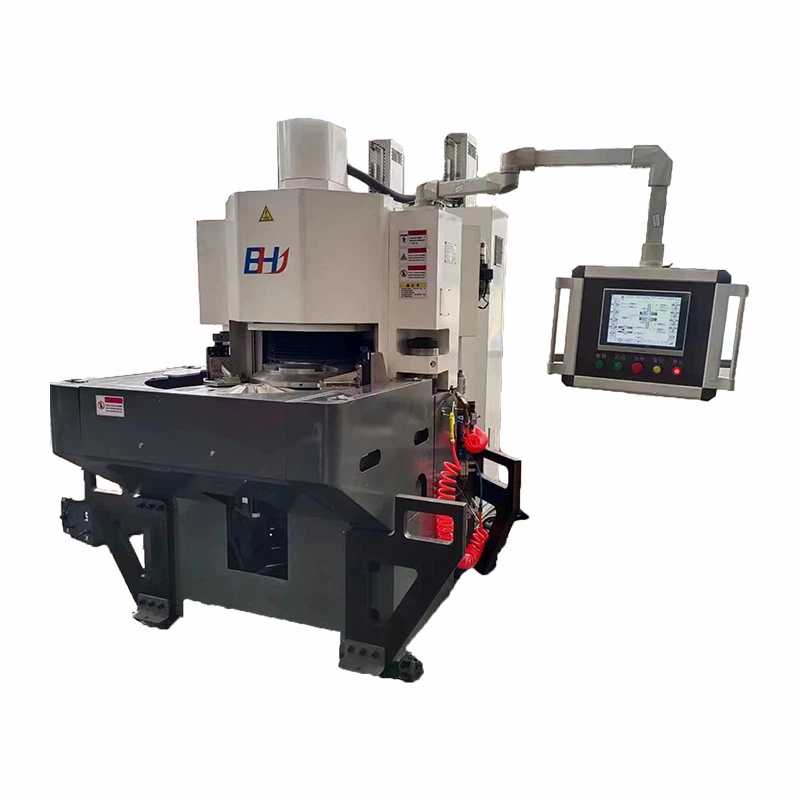
The main components of a grinding machine include the base, the column, the wheel head, the worktable, and the control panel. The base provides a stable foundation for the machine, while the column supports the wheel head and other components. The wheel head holds the abrasive wheel and is responsible for its rotation. The worktable is where the workpiece is placed and can be moved in different directions to control the grinding process. The control panel allows the operator to adjust various parameters, such as the speed of the wheel, the feed rate of the workpiece, and the depth of the cut.
Now, let's take a closer look at how the grinding process works. When the machine is turned on, the abrasive wheel starts rotating at a high speed. The operator then positions the workpiece on the worktable and moves it towards the rotating wheel. As the workpiece comes into contact with the wheel, the abrasive particles on the wheel's surface start to remove small chips of material from the workpiece. This process continues until the desired finish, shape, or size is achieved.
One of the key factors in the grinding process is the choice of abrasive wheel. Different types of abrasive wheels are available, each with its own unique properties and applications. For example, a wheel with a coarse grit is used for rough grinding, while a wheel with a fine grit is used for finishing. The type of abrasive material used in the wheel also plays a crucial role in the grinding process. Common abrasive materials include aluminum oxide, silicon carbide, and diamond.
Another important factor in the grinding process is the coolant. Coolant is used to reduce the heat generated during the grinding process and to prevent the workpiece from overheating. It also helps to flush away the chips of material that are removed from the workpiece, keeping the grinding wheel clean and preventing it from becoming clogged. There are different types of coolant available, including water-based coolants, oil-based coolants, and synthetic coolants.
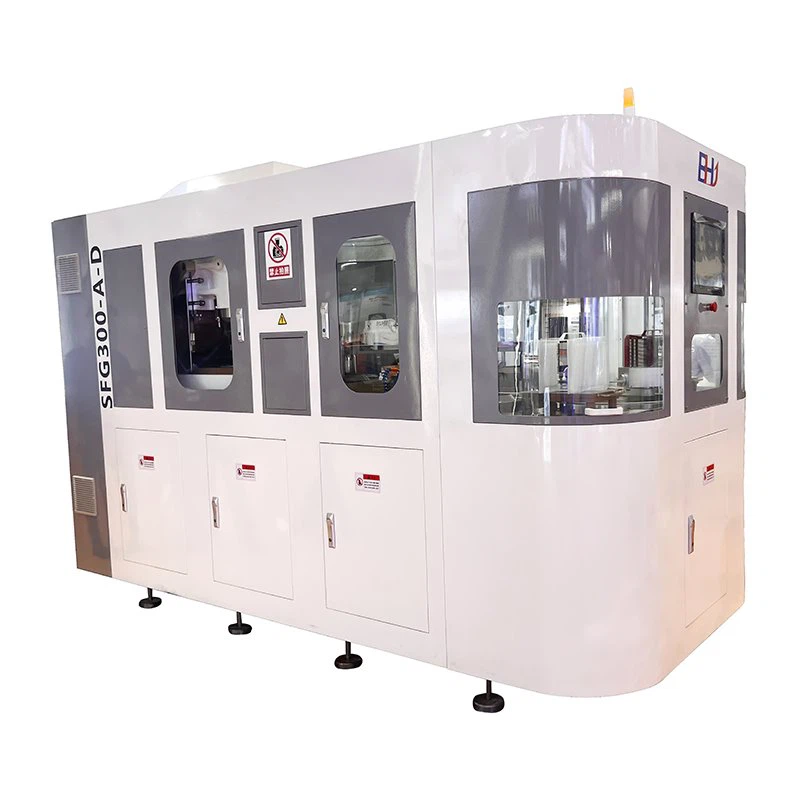
Now, let's talk about some of the different types of grinding machines that we offer. One of our popular models is the Automatic Through-type Grinder. This machine is designed for high-volume production and can handle a wide range of workpieces. It features an automatic feeding system that allows the workpieces to be fed through the machine continuously, increasing productivity and efficiency.
Another great option is the Automatic Two-axis Air Float Grinder. This machine uses air float technology to support the workpiece, reducing friction and improving the accuracy of the grinding process. It also features two-axis control, allowing for more precise control of the grinding process.
If you're looking for a more affordable option, our Semi-automatic Single-axis Air Floating Grinder is a great choice. This machine offers many of the same features as our automatic models but at a lower cost. It's perfect for small to medium-sized businesses that need a reliable and efficient grinding machine.
In conclusion, grinding machines are an essential part of many industries, and understanding how they work can help you make an informed decision when choosing a machine for your business. Whether you're looking for a high-volume production machine or a more affordable option, we have a grinding machine that's right for you. If you're interested in learning more about our products or have any questions, please don't hesitate to contact us. We'd be happy to help you find the perfect grinding machine for your needs.
References
- "Grinding Technology: Theory and Applications of Machining with Abrasives" by Ingo Inasaki
- "Manufacturing Processes for Engineering Materials" by Serope Kalpakjian and Steven Schmid