

What is the thermal stability of the grinding machines I can buy?
What is the thermal stability of the grinding machines I can buy?
As a supplier of grinding machines, I often get asked about the thermal stability of the machines we offer. Thermal stability is a crucial factor in the performance and longevity of grinding machines, as it directly affects the accuracy and precision of the grinding process. In this blog post, I will delve into the concept of thermal stability, its importance in grinding machines, and how it relates to the various types of grinding machines we supply.
Understanding Thermal Stability
Thermal stability refers to the ability of a machine to maintain its dimensional accuracy and performance under varying temperature conditions. In the context of grinding machines, it is essential because temperature changes can cause the machine components to expand or contract, leading to deviations in the grinding process. These deviations can result in poor surface finish, inaccurate dimensions, and reduced tool life.
There are several factors that can influence the thermal stability of a grinding machine. One of the primary factors is the material used in the construction of the machine. Different materials have different coefficients of thermal expansion, which means they expand and contract at different rates when exposed to temperature changes. For example, cast iron is a commonly used material in grinding machine construction because it has a relatively low coefficient of thermal expansion, making it more thermally stable compared to other materials.
Another factor that affects thermal stability is the design of the machine. A well-designed grinding machine will have features that help to minimize the effects of temperature changes. For instance, some machines are equipped with cooling systems that circulate coolant through the machine components to dissipate heat and maintain a stable temperature. Additionally, the layout of the machine can also play a role in thermal stability. A machine with a compact and symmetrical design is generally more thermally stable than one with a complex and asymmetrical design.
Importance of Thermal Stability in Grinding Machines
The importance of thermal stability in grinding machines cannot be overstated. Here are some of the key reasons why thermal stability is crucial:
Accuracy and Precision: Grinding machines are used to achieve high levels of accuracy and precision in the manufacturing process. Any deviation in the grinding process due to temperature changes can result in parts that do not meet the required specifications. Thermal stability ensures that the machine maintains its accuracy and precision over time, even when operating in environments with varying temperatures.
Surface Finish: The surface finish of a ground part is an important quality parameter. Temperature changes can cause the grinding wheel to wear unevenly, resulting in a poor surface finish. Thermal stability helps to ensure that the grinding wheel wears evenly, producing a smooth and consistent surface finish.
Tool Life: Grinding wheels are expensive consumables, and their lifespan is directly affected by the operating conditions. Temperature changes can cause the grinding wheel to overheat, leading to premature wear and reduced tool life. Thermal stability helps to keep the grinding wheel at a stable temperature, extending its lifespan and reducing the cost of tool replacement.
Productivity: A grinding machine that is thermally stable can operate continuously without the need for frequent adjustments or downtime due to temperature-related issues. This improves productivity and reduces the overall manufacturing time.
Thermal Stability of Different Types of Grinding Machines
At our company, we offer a wide range of grinding machines to meet the diverse needs of our customers. Here is a brief overview of the thermal stability of some of the popular types of grinding machines we supply:
Automatic Through-type Grinder: The Automatic Through-type Grinder is a high-precision machine designed for continuous grinding of long workpieces. It is equipped with a robust cooling system that helps to maintain a stable temperature during the grinding process. The machine's compact design and use of high-quality materials also contribute to its thermal stability, ensuring accurate and consistent grinding results.
Automanual Single-axis Mechanical Grinder: The Automanual Single-axis Mechanical Grinder is a versatile machine that offers a combination of manual and automatic operation. It features a rigid structure and a well-designed cooling system to minimize the effects of temperature changes. The machine's single-axis design makes it more thermally stable compared to multi-axis machines, allowing for precise and efficient grinding.
Semi-automatic Single-axis Air Floating Grinder: The Semi-automatic Single-axis Air Floating Grinder is a state-of-the-art machine that uses air floating technology to support the workpiece during the grinding process. This technology helps to reduce friction and heat generation, improving the thermal stability of the machine. The machine's advanced control system also allows for precise temperature monitoring and adjustment, ensuring optimal grinding performance.
Ensuring Thermal Stability in Your Grinding Machine
As a buyer, there are several steps you can take to ensure the thermal stability of your grinding machine:
Choose the Right Machine: Select a grinding machine that is designed for your specific application and operating environment. Consider factors such as the material of construction, design features, and cooling system when making your decision.
Proper Installation: Ensure that the grinding machine is installed on a stable and level surface. Follow the manufacturer's installation instructions carefully to ensure proper alignment and grounding of the machine.
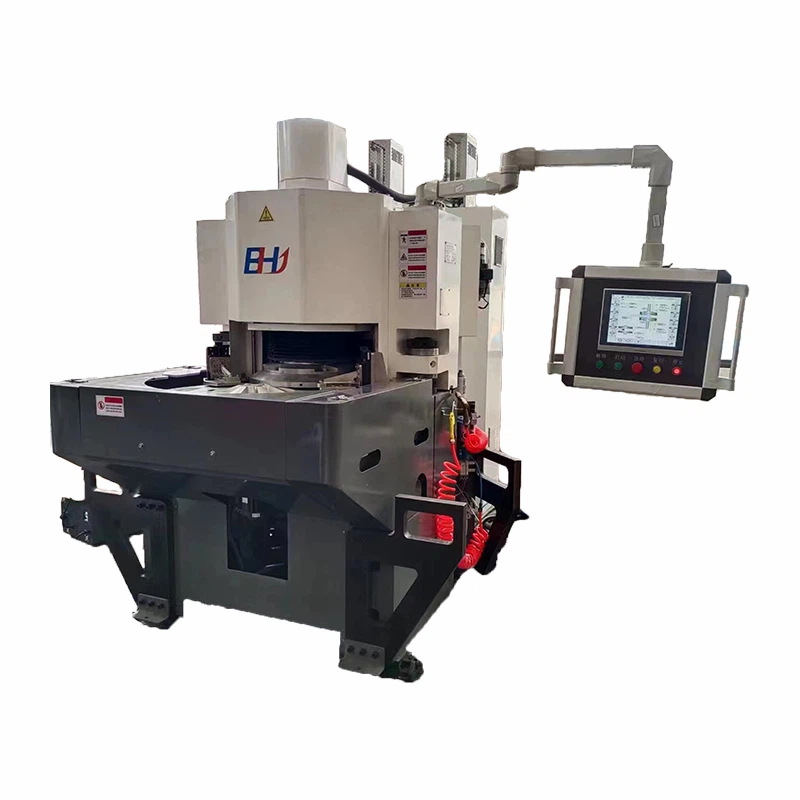

Regular Maintenance: Regular maintenance is essential to keep your grinding machine in good working condition. This includes cleaning the machine, checking the coolant levels, and inspecting the components for wear and tear.
Monitor the Temperature: Use temperature sensors or monitoring devices to keep track of the temperature of the machine components. This will allow you to detect any potential issues early and take corrective action before they cause significant damage to the machine.
Conclusion
Thermal stability is a critical factor in the performance and longevity of grinding machines. By understanding the concept of thermal stability, its importance, and how it relates to different types of grinding machines, you can make an informed decision when purchasing a grinding machine. At our company, we are committed to providing high-quality grinding machines that are thermally stable and reliable. If you are interested in learning more about our products or have any questions about thermal stability, please do not hesitate to contact us. We look forward to discussing your grinding machine needs and helping you find the right solution for your business.
References
- "Grinding Technology: Theory and Applications of Machining with Abrasives" by Stephen Malkin
- "Manufacturing Engineering and Technology" by Serope Kalpakjian and Steven Schmid