

What is the data monitoring function of an Automatic Through - type Grinder (if any)?
As a supplier of Automatic Through - type Grinders, I am often asked about the data monitoring function of these machines. In this blog post, I will delve into what the data monitoring function of an Automatic Through - type Grinder entails, its significance, and how it can benefit users.
What is Data Monitoring in an Automatic Through - type Grinder?
Data monitoring in an Automatic Through - type Grinder refers to the process of collecting, analyzing, and presenting various types of data related to the grinder's operation. This data can include information such as the speed of the grinding wheel, the feed rate of the workpiece, the temperature of the grinding area, and the power consumption of the machine.
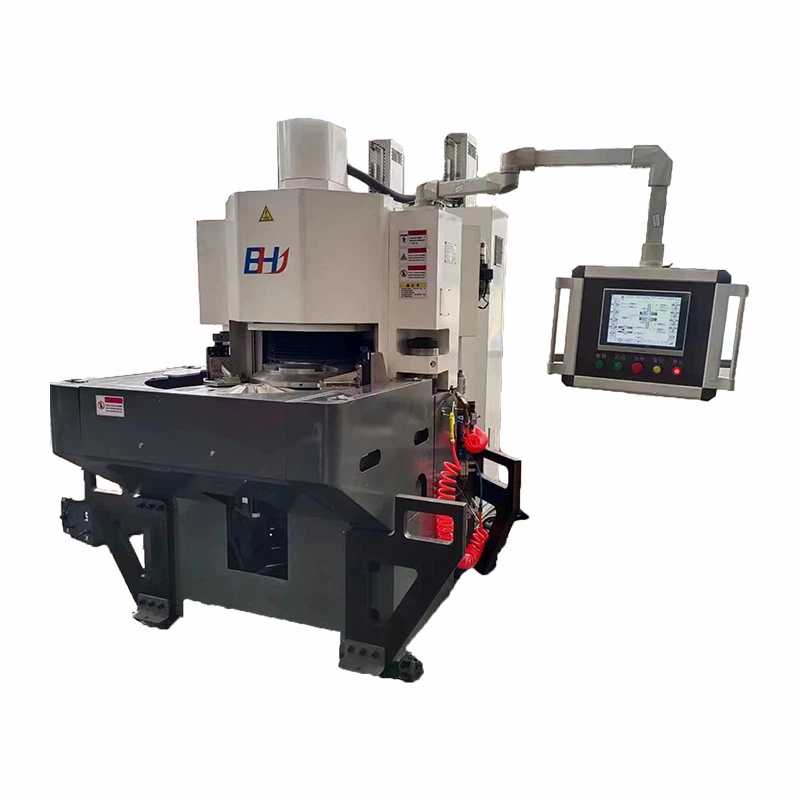
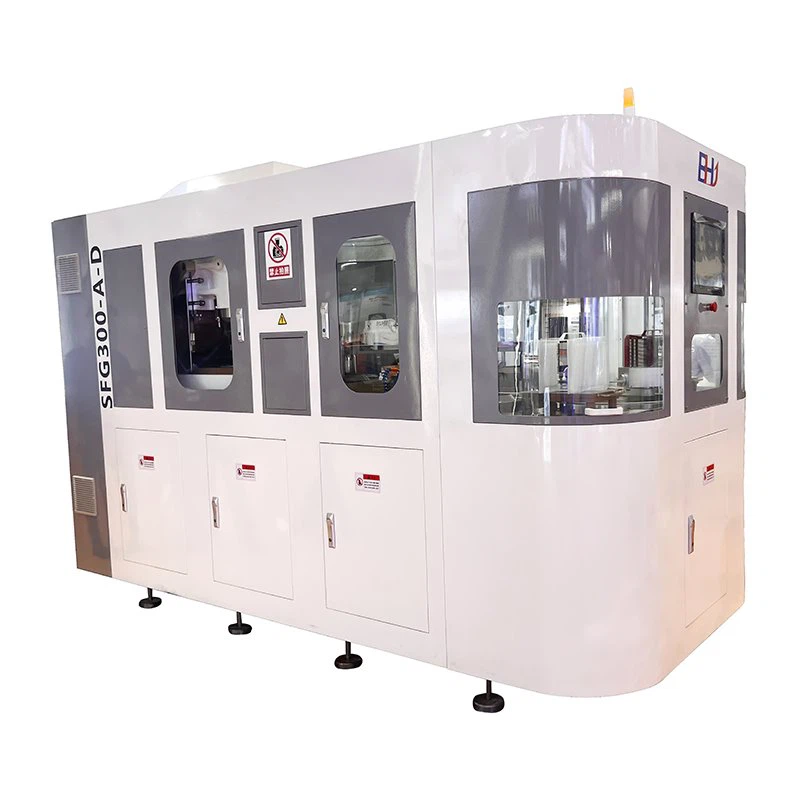
The data is typically collected through a series of sensors installed on the grinder. These sensors are strategically placed to measure different parameters accurately. For example, a speed sensor can be used to monitor the rotational speed of the grinding wheel, while a temperature sensor can measure the heat generated during the grinding process.
Why is Data Monitoring Important?
Quality Control
One of the primary reasons for data monitoring is quality control. By continuously monitoring key parameters, operators can ensure that the grinding process meets the required quality standards. For instance, if the speed of the grinding wheel deviates from the set value, it can lead to inconsistent grinding results. By detecting such deviations early, adjustments can be made to maintain the quality of the finished product.
Equipment Maintenance
Data monitoring also plays a crucial role in equipment maintenance. By analyzing the data collected from the sensors, operators can identify potential issues before they become major problems. For example, if the power consumption of the grinder suddenly increases, it could indicate a problem with the motor or other components. By detecting this early, preventive maintenance can be carried out, reducing the risk of unexpected breakdowns and costly repairs.
Process Optimization
Another benefit of data monitoring is process optimization. By analyzing the data over time, operators can identify patterns and trends in the grinding process. This information can be used to make adjustments to the process parameters, such as the feed rate or the grinding pressure, to improve efficiency and productivity. For example, if the data shows that a certain feed rate results in better grinding quality, this rate can be used as the standard for future operations.
Types of Data Monitored in an Automatic Through - type Grinder
Grinding Wheel Speed
The speed of the grinding wheel is a critical parameter that affects the quality of the grinding process. If the speed is too high, it can cause excessive heat generation and wear on the grinding wheel, leading to poor surface finish. On the other hand, if the speed is too low, the grinding process may be inefficient. By monitoring the grinding wheel speed, operators can ensure that it remains within the optimal range.
Feed Rate
The feed rate of the workpiece is another important parameter. It determines how fast the workpiece moves through the grinder. A proper feed rate is essential for achieving consistent grinding results. If the feed rate is too high, the grinding wheel may not have enough time to remove the material properly, resulting in a rough surface finish. If the feed rate is too low, the process may be time - consuming and inefficient.
Temperature
The temperature of the grinding area is a key indicator of the grinding process. Excessive heat can cause thermal damage to the workpiece and the grinding wheel. By monitoring the temperature, operators can take measures to prevent overheating, such as adjusting the coolant flow or reducing the grinding pressure.
Power Consumption
Monitoring the power consumption of the grinder can provide valuable information about its efficiency. An increase in power consumption may indicate a problem with the machine, such as a worn - out motor or a clogged coolant system. By detecting such issues early, operators can take corrective action to improve the machine's performance.
How Data is Presented and Analyzed
The data collected from the sensors is typically presented in a user - friendly format, such as a dashboard or a graph. This allows operators to easily visualize the data and identify any trends or anomalies. Some advanced Automatic Through - type Grinders are equipped with software that can analyze the data in real - time and provide alerts when certain parameters deviate from the set values.
For example, if the temperature of the grinding area exceeds a certain threshold, the software can send an alert to the operator's mobile device, allowing them to take immediate action. Additionally, the software can generate reports that summarize the data over a specific period, which can be used for further analysis and decision - making.
Our Product Offerings
As a supplier of Automatic Through - type Grinders, we offer a range of high - quality machines with advanced data monitoring capabilities. Our Automatic Through - type Grinder is designed to provide accurate and reliable data monitoring, ensuring optimal performance and quality control.
In addition to the Automatic Through - type Grinder, we also offer other types of grinding machines, such as the Automatic Two - axis Air Float Grinder and the Semi - automatic Single - axis Air Floating Grinder. These machines are also equipped with data monitoring functions, allowing users to monitor and optimize their grinding processes.
Conclusion
The data monitoring function of an Automatic Through - type Grinder is a powerful tool that can significantly improve the quality, efficiency, and reliability of the grinding process. By collecting and analyzing data on key parameters such as grinding wheel speed, feed rate, temperature, and power consumption, operators can ensure that the machine operates at its best and produce high - quality products.
If you are interested in learning more about our Automatic Through - type Grinders or other grinding machines, or if you have any questions about data monitoring, please feel free to contact us for further discussion and potential procurement. We are committed to providing our customers with the best products and services to meet their grinding needs.
References
- [1] "Grinding Technology: Theory and Applications of Machining with Abrasives", By Stephen Malkin
- [2] "Modern Grinding Technology", By Paul R. Blau