

What are the maintenance costs of an Automatic Two - axis Air Float Grinder?
As a supplier of Automatic Two - axis Air Float Grinders, I've had numerous conversations with customers regarding the costs associated with maintaining these sophisticated machines. In this blog, I'll delve into the various aspects of the maintenance costs of an Automatic Two - axis Air Float Grinder, providing you with a comprehensive understanding of what to expect.
1. Initial Understanding of the Automatic Two - axis Air Float Grinder
Before we discuss maintenance costs, it's essential to understand what an Automatic Two - axis Air Float Grinder is. This type of grinder is a high - precision machining tool that uses air float technology to reduce friction and improve the accuracy of the grinding process. It operates on two axes, allowing for more complex and precise grinding tasks compared to single - axis machines. You can find more information about it on our Automatic Two - axis Air Float Grinder page.
2. Components and Their Maintenance Costs
Air Float System
The air float system is the heart of the Automatic Two - axis Air Float Grinder. It provides a nearly frictionless surface for the grinding head and workpiece movement. The main maintenance cost in this system comes from the air compressor and air filters.
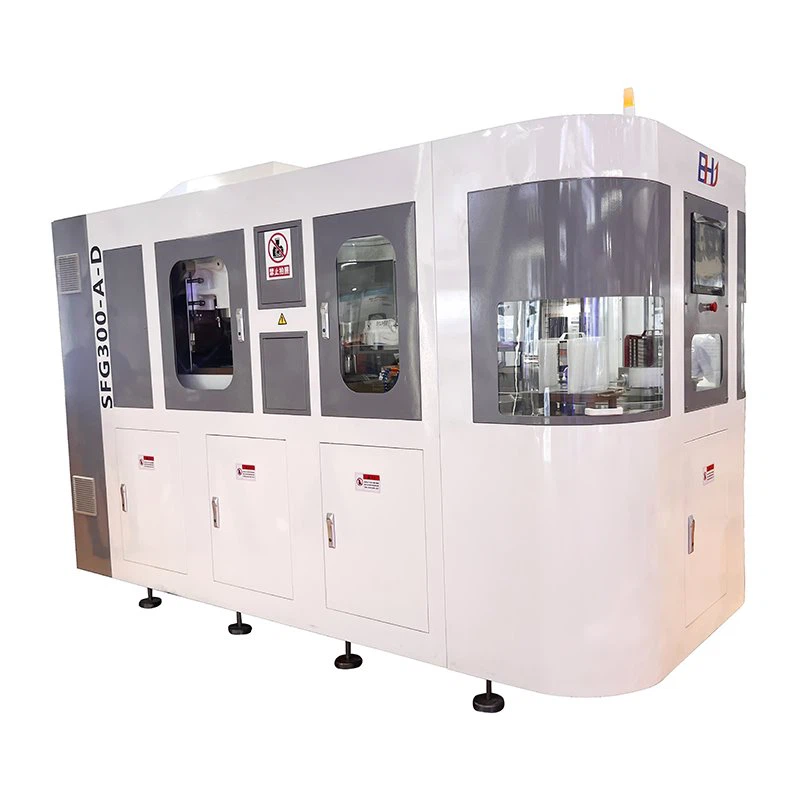

- Air Compressor: The air compressor needs to be regularly serviced to ensure it can provide a stable and clean air supply. This includes changing the compressor oil, checking the pressure valves, and inspecting the air hoses for leaks. On average, the annual maintenance cost for an air compressor can range from $500 to $1500, depending on the size and quality of the compressor.
- Air Filters: Air filters are crucial for preventing dust and debris from entering the air float system. They need to be replaced regularly, usually every 3 - 6 months. The cost of a set of air filters can be around $100 - $300, depending on the type and quality.
Grinding Wheels
Grinding wheels are the primary cutting tools of the grinder. They wear out over time and need to be replaced periodically. The cost of a grinding wheel depends on its size, material, and quality.
- Replacement Frequency: For a high - usage Automatic Two - axis Air Float Grinder, grinding wheels may need to be replaced every 1 - 3 months.
- Cost: A standard grinding wheel can cost anywhere from $200 to $1000. Specialized or high - precision grinding wheels can be even more expensive.
Electrical Components
The electrical components of the grinder, such as motors, controllers, and sensors, also require maintenance.
- Motors: Motors need to be lubricated, and their bearings checked regularly. The cost of motor maintenance can be around $200 - $500 per year, depending on the motor's size and complexity.
- Controllers and Sensors: These components are responsible for the precise control of the grinder's operation. They need to be calibrated and inspected periodically. The cost of servicing controllers and sensors can range from $300 to $800 per year.
3. Labor Costs for Maintenance
In addition to the cost of parts, labor costs are also a significant part of the maintenance expenses.
- In - house Maintenance: If your company has an in - house maintenance team, the labor cost will depend on the hourly rate of your technicians. On average, a skilled maintenance technician may charge $50 - $100 per hour. For a comprehensive maintenance check of an Automatic Two - axis Air Float Grinder, it may take 4 - 8 hours of labor, resulting in a cost of $200 - $800.
- Outsourcing Maintenance: If you choose to outsource the maintenance to a professional service provider, the cost may be higher. Service providers usually charge a flat fee for their maintenance services, which can range from $1000 to $3000 per year, depending on the scope of the maintenance.
4. Other Associated Costs
Training Costs
To ensure that the grinder is properly maintained and operated, your staff may need training. Training costs can include the cost of hiring a trainer or sending your employees to training courses.
- On - site Training: Hiring a trainer to come to your facility can cost around $1500 - $3000 for a multi - day training session.
- External Training Courses: Sending your employees to external training courses can cost around $1000 - $2500 per person, including tuition, travel, and accommodation.
Downtime Costs
When the grinder is down for maintenance, it can cause production delays, which result in downtime costs. These costs can be difficult to quantify precisely but can be significant, especially for high - volume production facilities.
- Lost Production: The lost production value can be calculated based on the number of units that could have been produced during the downtime and the profit margin per unit. For example, if your grinder can produce 100 units per day and the profit per unit is $50, a one - day downtime can result in a lost profit of $5000.
5. Comparison with Other Types of Grinders
It's also useful to compare the maintenance costs of an Automatic Two - axis Air Float Grinder with other types of grinders, such as the Automatic Through - type Grinder and the Semi - automatic Single - axis Air Floating Grinder.
- Automatic Through - type Grinder: This type of grinder generally has a simpler structure compared to the Automatic Two - axis Air Float Grinder. Its maintenance costs are relatively lower, especially in terms of the air float system. However, it may have higher costs in terms of conveyor belt maintenance if it has a through - type design.
- Semi - automatic Single - axis Air Floating Grinder: The semi - automatic nature of this grinder may result in lower initial costs. But its single - axis operation may lead to more frequent wear and tear on the grinding wheel in some applications. The overall maintenance costs can be lower than the Automatic Two - axis Air Float Grinder, but it also has limitations in terms of precision and complexity of grinding tasks.
6. Strategies to Reduce Maintenance Costs
- Regular Maintenance Schedule: Establishing a strict regular maintenance schedule can help prevent major breakdowns and reduce long - term maintenance costs. By performing routine checks and replacing parts before they fail, you can avoid costly emergency repairs.
- Employee Training: Well - trained employees are more likely to operate the grinder correctly, which can reduce unnecessary wear and tear on the machine.
- Quality Parts: Using high - quality replacement parts may have a higher upfront cost but can last longer and reduce the frequency of replacements.
7. Conclusion and Call to Action
In conclusion, the maintenance costs of an Automatic Two - axis Air Float Grinder are composed of various factors, including parts replacement, labor, training, and downtime costs. While it may seem expensive at first glance, the high precision and efficiency of this grinder can bring significant benefits to your production process.
If you're considering purchasing an Automatic Two - axis Air Float Grinder or have any questions about its maintenance costs, we're here to help. Our team of experts can provide you with detailed information and advice on how to manage these costs effectively. Contact us today to start a conversation about how our Automatic Two - axis Air Float Grinder can meet your production needs and fit into your budget.
References
- "Handbook of Grinding Technology" by Peter K. Wright
- Industry reports on grinding machine maintenance costs from leading manufacturing research firms.