

What are the installation requirements for an Automatic Through - type Grinder in a workshop?
When it comes to setting up an Automatic Through - type Grinder in a workshop, there are several crucial installation requirements that need to be met to ensure optimal performance and safety. As a supplier of Automatic Through - type Grinders, I am well - versed in these requirements and will share them in detail in this blog.
1. Space Requirements
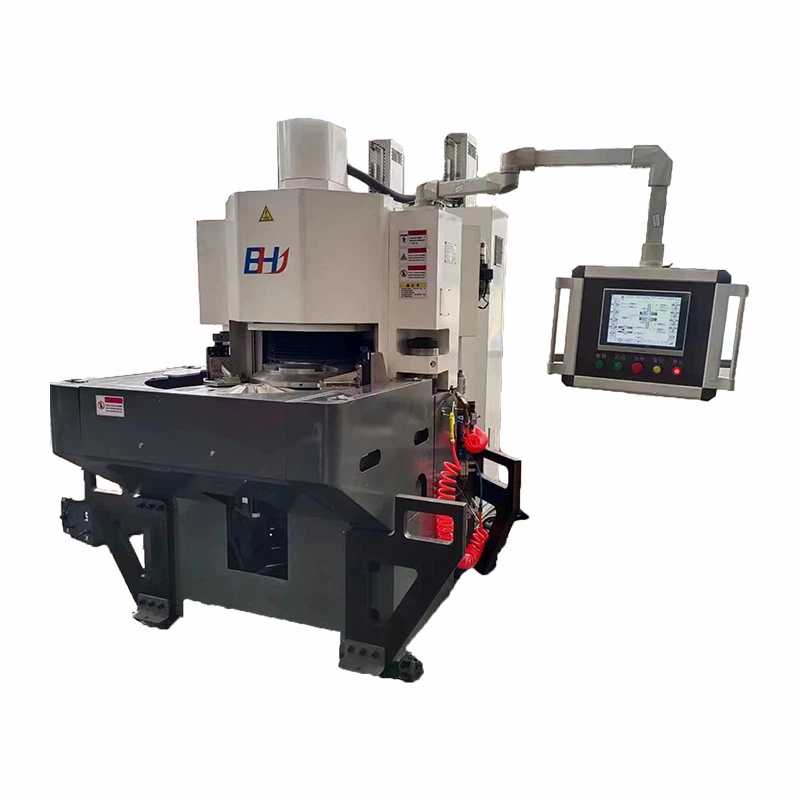
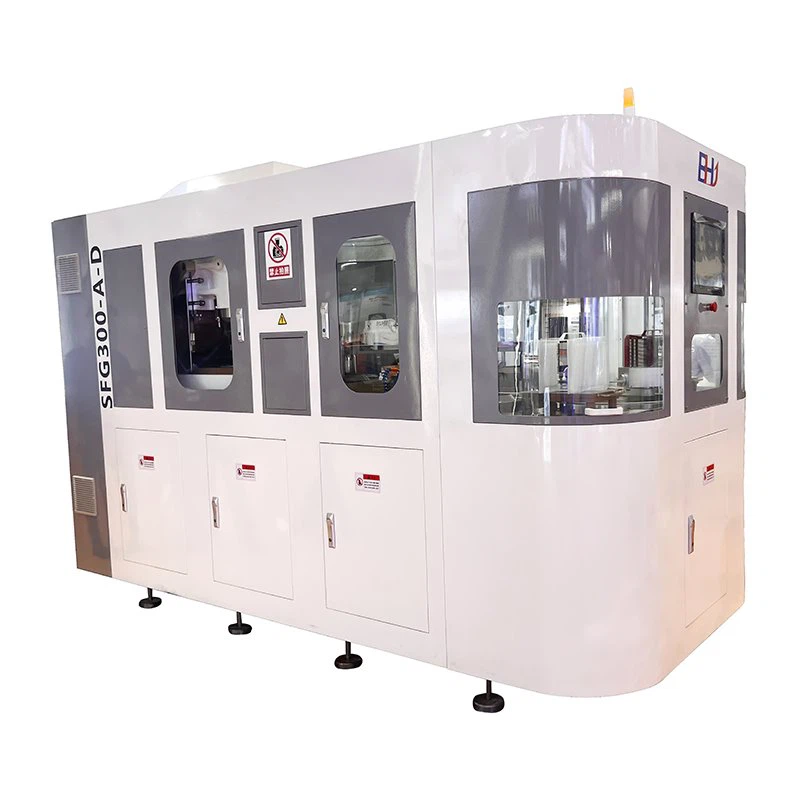
The first and foremost consideration is the space in the workshop. An Automatic Through - type Grinder is a relatively large piece of equipment, and it needs sufficient space for installation, operation, and maintenance.
The grinder should be installed in an area that allows for easy access from all sides. A clearance of at least 1 - 2 meters around the grinder is recommended. This space is necessary for operators to move freely, perform maintenance tasks, and access emergency stop buttons in case of an emergency.
The height of the workshop also matters. The grinder has a certain height, and there should be enough vertical space above it to prevent any interference with the ceiling or other overhead structures. Additionally, the workshop should have proper ventilation to remove dust and fumes generated during the grinding process. Adequate ventilation not only ensures a healthy working environment but also helps in maintaining the performance of the grinder.
2. Power Supply
An Automatic Through - type Grinder requires a stable and appropriate power supply. Before installation, it is essential to check the power requirements of the specific grinder model. Most grinders operate on three - phase power, and the voltage and current ratings should match the specifications provided by the manufacturer.
The power supply should be protected by proper circuit breakers and grounding. A dedicated electrical circuit for the grinder is recommended to avoid power fluctuations and potential electrical hazards. It is also important to ensure that the electrical wiring is of high quality and meets the relevant safety standards.
3. Foundation and Leveling
A solid foundation is crucial for the proper operation of an Automatic Through - type Grinder. The grinder should be installed on a flat and stable surface. If the floor is uneven, it can cause vibrations during operation, which may lead to inaccurate grinding results and premature wear of the machine components.
Before installation, the floor should be inspected for any cracks or unevenness. If necessary, a concrete foundation can be built to provide a stable base for the grinder. Once the grinder is placed on the foundation, it needs to be leveled using leveling screws or shims. A spirit level can be used to ensure that the grinder is perfectly horizontal. This is important for maintaining the accuracy of the grinding process and preventing excessive stress on the machine.
4. Cooling and Lubrication Systems
An Automatic Through - type Grinder generates a significant amount of heat during operation. Therefore, a proper cooling system is essential to prevent overheating and damage to the machine. The cooling system usually consists of a coolant tank, pump, and pipes. The coolant helps in reducing the temperature of the grinding wheel and the workpiece, improving the grinding efficiency and extending the life of the wheel.
In addition to cooling, lubrication is also important. The moving parts of the grinder, such as the bearings and gears, need to be properly lubricated to reduce friction and wear. The lubrication system should be regularly maintained, and the lubricant should be changed according to the manufacturer's recommendations.
5. Safety Measures
Safety is of utmost importance when installing an Automatic Through - type Grinder. The workshop should be equipped with safety guards around the grinder to prevent operators from coming into contact with the moving parts. Emergency stop buttons should be easily accessible and clearly marked.
The grinder should also be equipped with a dust collection system to capture the dust generated during the grinding process. This not only protects the operators from inhaling harmful dust but also helps in keeping the workshop clean.
6. Training and Support
Once the grinder is installed, it is essential to provide proper training to the operators. The training should cover the operation, maintenance, and safety procedures of the grinder. As a supplier, we offer comprehensive training programs to ensure that the operators can use the grinder safely and efficiently.
We also provide ongoing technical support to our customers. If there are any issues with the grinder, our team of experts is available to provide assistance and guidance.
Related Products
If you are interested in other types of grinders, we also offer the Automatic Two - axis Air Float Grinder and the Semi - automatic Single - axis Air Floating Grinder. These grinders have their own unique features and advantages, and they can be a great addition to your workshop.
Conclusion
Installing an Automatic Through - type Grinder in a workshop requires careful planning and consideration of various factors. By meeting the space, power, foundation, cooling, lubrication, and safety requirements, you can ensure the smooth operation of the grinder and achieve high - quality grinding results.
If you are interested in purchasing an Automatic Through - type Grinder or have any questions about the installation requirements, please feel free to contact us. We are committed to providing you with the best products and services.
References
- Manufacturer's installation manual for Automatic Through - type Grinder
- Industry standards for workshop equipment installation
- Safety regulations for grinding machines