

How to troubleshoot common problems in an Automanual Single - axis Mechanical Grinder?
As a supplier of Automanual Single - axis Mechanical Grinders, I understand that customers may encounter various common problems during the use of our products. In this blog, I will share some effective troubleshooting methods to help you quickly solve these problems and ensure the normal operation of your grinder.

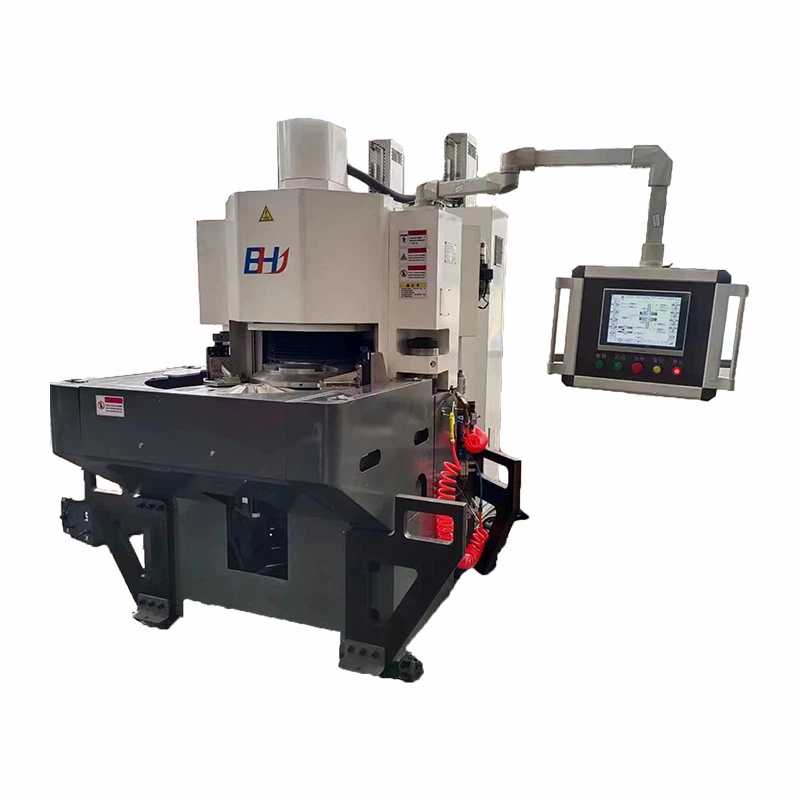
1. Power - related Problems
One of the most common issues users face is power - related problems. If your Automanual Single - axis Mechanical Grinder fails to start, the first thing to check is the power supply. Make sure the power cord is properly plugged into a working outlet. Sometimes, a loose connection can prevent the grinder from getting power.
Inspect the power cord for any visible damage, such as cuts or frayed wires. A damaged power cord can pose a serious safety hazard and also lead to power interruptions. If you find any damage, replace the power cord immediately.
Another possible cause is a tripped circuit breaker or blown fuse. Check your electrical panel to see if any breakers have been tripped. If so, reset the breaker. If it trips again, there may be a short - circuit in the grinder or other electrical issues. In this case, it is recommended to contact a professional electrician or our technical support team for further assistance. You can find more information about our Automanual Single - axis Mechanical Grinder on our website.
2. Grinding Wheel - related Problems
The grinding wheel is a crucial component of the grinder, and problems with it can significantly affect the grinding performance. If you notice uneven grinding or excessive vibration during operation, the grinding wheel may be unbalanced.
To check the balance of the grinding wheel, you can use a wheel balancing stand. First, remove the grinding wheel from the grinder carefully following the manufacturer's instructions. Then, place the wheel on the balancing stand. If the wheel is unbalanced, it will tilt to one side. You can adjust the balance by adding or removing small weights on the wheel flange until it remains level on the stand.
Another common issue is a worn - out or damaged grinding wheel. Over time, the grinding wheel will wear down, and its cutting ability will decrease. Inspect the grinding wheel regularly for signs of wear, such as a dull surface, cracks, or chips. If the wheel is severely worn or damaged, it should be replaced immediately. Using a damaged grinding wheel can not only affect the grinding quality but also pose a safety risk.
3. Feed System Problems
The feed system of the Automanual Single - axis Mechanical Grinder is responsible for moving the workpiece towards the grinding wheel at a controlled rate. If you experience problems with the feed system, such as inconsistent feed rate or the inability to move the workpiece, there are several things to check.
First, check the feed mechanism for any obstructions. Sometimes, debris or chips may accumulate in the feed system, preventing it from operating smoothly. Clean the feed mechanism thoroughly using compressed air or a soft brush to remove any dirt or debris.
If the feed rate is inconsistent, the feed motor or drive belt may be the problem. Check the feed motor for proper operation. Listen for any unusual noises or vibrations, which may indicate a motor malfunction. If the motor is not working properly, it may need to be repaired or replaced.
The drive belt that connects the feed motor to the feed mechanism can also wear out over time. Inspect the drive belt for signs of wear, such as cracks or fraying. If the drive belt is worn, replace it with a new one. Make sure the new belt is properly tensioned to ensure smooth operation of the feed system.
4. Cooling System Problems
The cooling system is essential for preventing the grinding wheel and workpiece from overheating during the grinding process. If you notice that the grinding wheel or workpiece is getting too hot, there may be a problem with the cooling system.
Check the coolant level in the coolant tank. If the level is low, add the appropriate coolant according to the manufacturer's recommendations. Make sure the coolant is clean and free of debris. Contaminated coolant can clog the coolant lines and reduce the cooling efficiency.
Inspect the coolant pump for proper operation. The coolant pump is responsible for circulating the coolant to the grinding area. Listen for any unusual noises or vibrations from the pump, which may indicate a pump malfunction. If the pump is not working, it may need to be repaired or replaced.
Also, check the coolant lines for any blockages or leaks. A blocked coolant line can prevent the coolant from reaching the grinding area, while a leak can cause a loss of coolant. If you find a blockage, you can try to clear it using compressed air or a thin wire. If there is a leak, repair or replace the damaged coolant line.
5. Control Panel and Electrical Circuit Problems
The control panel of the Automanual Single - axis Mechanical Grinder allows you to control various functions of the grinder, such as the speed, feed rate, and start/stop operation. If you encounter problems with the control panel, such as unresponsive buttons or incorrect display, there may be an issue with the electrical circuit or the control panel itself.
First, check the connections between the control panel and the grinder's electrical system. Make sure all the wires are properly plugged in and there are no loose connections. If you find any loose wires, reconnect them securely.
If the control panel still does not work properly, there may be a fault in the control panel's circuit board. In this case, it is best to contact our technical support team. Our experts can diagnose the problem accurately and provide the necessary repairs or replacements. We also offer a wide range of other grinder models, such as the Semi - automatic Single - axis Air Floating Grinder and Automatic Through - type Grinder.
6. Maintenance and Regular Checks
To prevent common problems from occurring, regular maintenance and checks are essential. Here are some maintenance tips:
- Clean the grinder regularly to remove dust, debris, and chips. Use a soft brush or compressed air to clean hard - to - reach areas.
- Lubricate the moving parts of the grinder according to the manufacturer's instructions. Proper lubrication can reduce friction and wear, and extend the service life of the grinder.
- Check the tightness of all bolts and nuts regularly. Loose bolts and nuts can cause vibration and other problems during operation.
- Keep a record of the grinder's operation, including the running time, maintenance history, and any problems encountered. This record can help you track the performance of the grinder and identify potential issues early.
Conclusion
Troubleshooting common problems in an Automanual Single - axis Mechanical Grinder requires a systematic approach. By following the methods mentioned above, you can quickly identify and solve most of the problems. However, if you encounter complex problems or are unsure about how to proceed, do not hesitate to contact our technical support team.
We are committed to providing high - quality products and excellent after - sales service. If you are interested in purchasing our Automanual Single - axis Mechanical Grinder or other grinder models, please feel free to contact us for further discussion and negotiation. Our team will be happy to assist you in finding the most suitable grinder for your needs.
References
- Manufacturer's manual of Automanual Single - axis Mechanical Grinder
- Industry standards for grinder maintenance and troubleshooting