

How to maintain a grinding machine?
Maintaining a grinding machine is crucial for any manufacturing or machining operation. As a grinding machine supplier, I understand the importance of proper maintenance to ensure the longevity, efficiency, and safety of these essential pieces of equipment. In this blog post, I will share some valuable tips on how to maintain a grinding machine effectively.
Regular Cleaning
One of the most basic yet essential maintenance tasks for a grinding machine is regular cleaning. Grinding generates a significant amount of dust, debris, and coolant residue, which can accumulate on the machine's surfaces, components, and in the working area. This buildup can lead to various problems, such as reduced performance, increased wear and tear, and even safety hazards.
To clean the grinding machine, start by turning off the power and allowing the machine to cool down. Use a soft brush or compressed air to remove loose dust and debris from the exterior surfaces, including the table, headstock, and guards. Pay special attention to the areas around the grinding wheel, as this is where the most significant amount of debris accumulates.
Next, clean the coolant system. The coolant is essential for lubricating the grinding wheel and workpiece, reducing heat, and flushing away debris. Over time, the coolant can become contaminated with chips, dirt, and bacteria, which can affect its performance and cause damage to the machine. Drain the coolant tank and clean it thoroughly with a suitable cleaning solution. Replace the coolant filter regularly to ensure proper filtration.

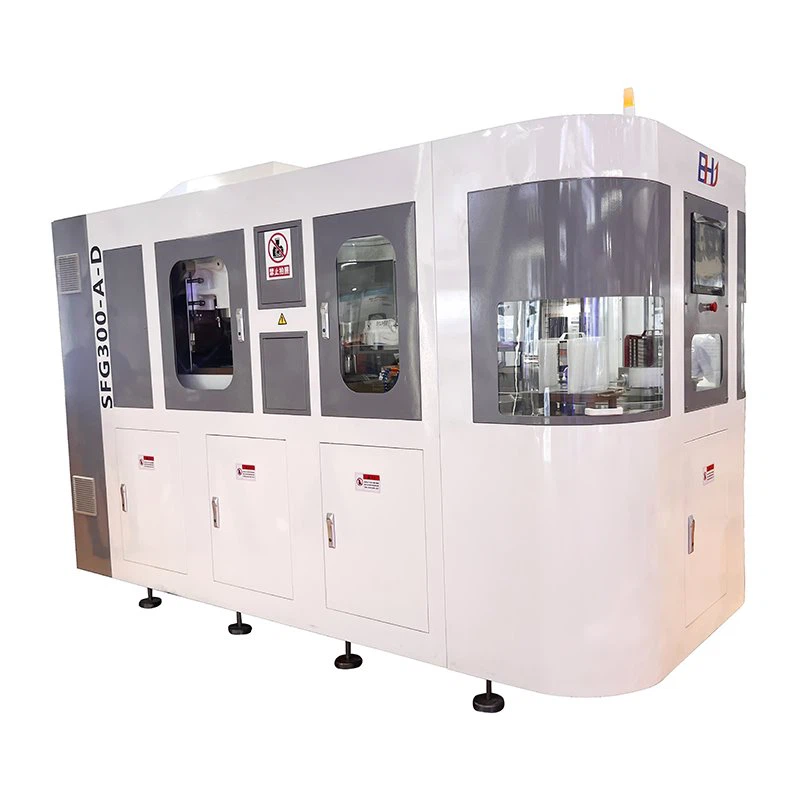
Finally, clean the interior of the machine, including the spindle, bearings, and gears. Use a degreaser or solvent to remove any oil, grease, or debris that may have accumulated. Be careful not to damage any sensitive components during the cleaning process.
Lubrication
Proper lubrication is essential for the smooth operation and longevity of a grinding machine. Lubricants reduce friction between moving parts, prevent wear and tear, and dissipate heat. Different parts of the grinding machine require different types of lubricants, so it's important to follow the manufacturer's recommendations.
The spindle is one of the most critical components of a grinding machine, and it requires regular lubrication. Use a high-quality spindle oil to lubricate the spindle bearings. Check the oil level regularly and top it up as needed. Some grinding machines have an automatic lubrication system, which ensures that the spindle is continuously lubricated.
The table, slides, and other moving parts also require lubrication. Use a suitable lubricant, such as a machine oil or grease, to lubricate these parts. Apply the lubricant according to the manufacturer's instructions, and make sure to clean the parts before lubricating them.
Inspection and Adjustment
Regular inspection and adjustment are essential for maintaining the accuracy and performance of a grinding machine. Inspect the machine regularly for any signs of wear, damage, or misalignment. Check the grinding wheel for cracks, chips, or uneven wear. If the grinding wheel is damaged, replace it immediately to avoid safety hazards.
Inspect the belts, pulleys, and gears for any signs of wear or damage. Tighten any loose belts or pulleys, and replace any worn-out parts. Check the alignment of the grinding wheel and the workpiece. If the alignment is off, adjust it according to the manufacturer's instructions.
The coolant system also requires regular inspection. Check the coolant level, pressure, and flow rate regularly. Make sure that the coolant is circulating properly and that there are no leaks in the system. If the coolant system is not functioning correctly, it can affect the performance of the grinding machine and cause damage to the workpiece.
Safety Checks
Safety is of utmost importance when operating a grinding machine. Regular safety checks are essential to ensure that the machine is operating safely and that the operator is protected from potential hazards.
Check the safety guards and shields to make sure that they are in place and functioning correctly. The safety guards are designed to protect the operator from flying debris, sparks, and other hazards. If the safety guards are damaged or missing, replace them immediately.
Inspect the electrical system for any signs of damage or wear. Check the wiring, switches, and plugs for any loose connections or frayed wires. Make sure that the grounding is proper to prevent electrical shocks.
Test the emergency stop button to make sure that it is functioning correctly. The emergency stop button is a critical safety feature that allows the operator to stop the machine immediately in case of an emergency.
Training and Education
Proper training and education are essential for the safe and effective operation of a grinding machine. Operators should be trained on how to use the machine correctly, how to perform basic maintenance tasks, and how to identify and address potential safety hazards.
Provide operators with comprehensive training on the operation and maintenance of the grinding machine. The training should include both theoretical and practical components. Make sure that the operators understand the importance of following the manufacturer's instructions and safety guidelines.
Encourage operators to ask questions and seek help if they are unsure about anything. Provide them with access to technical support and resources, such as manuals, videos, and online forums.
Conclusion
Maintaining a grinding machine is essential for ensuring its longevity, efficiency, and safety. By following the tips outlined in this blog post, you can keep your grinding machine in top condition and avoid costly breakdowns and repairs. Remember to clean the machine regularly, lubricate the moving parts, inspect and adjust the machine as needed, perform safety checks, and provide proper training and education to the operators.
If you are in the market for a new grinding machine or need assistance with maintaining your existing machine, please feel free to contact us for a consultation. We are a leading supplier of high-quality grinding machines, including the Semi-automatic Single-axis Air Floating Grinder, Automatic Through-type Grinder, and Automatic Two-axis Air Float Grinder. Our team of experts is here to help you find the right machine for your needs and provide you with the support and service you deserve.
References
- Manufacturer's manuals for grinding machines
- Industry standards and guidelines for grinding machine maintenance
- Technical articles and publications on grinding machine maintenance and operation