

How to improve the productivity of the grinding machine I buy?
Hey there! As a supplier of grinding machines, I know how crucial it is to get the most out of the equipment you buy. Whether you're in a small workshop or a large manufacturing plant, improving the productivity of your grinding machine can significantly boost your bottom line. In this blog, I'll share some practical tips and tricks to help you enhance the performance of the grinding machine you've purchased.
1. Regular Maintenance is Key
First things first, regular maintenance is the foundation of a high - productivity grinding machine. You wouldn't expect a car to run smoothly without regular oil changes and tune - ups, right? The same goes for your grinding machine.
- Cleaning: Keep the grinding machine clean. Dust, debris, and metal shavings can accumulate over time and affect the machine's performance. After each use, take a few minutes to wipe down the machine, remove any loose particles, and clean the work area. Use compressed air to blow out hard - to - reach areas.
- Lubrication: Proper lubrication is essential for the smooth operation of the moving parts. Check the lubrication levels regularly and follow the manufacturer's recommendations for the type and frequency of lubrication. Using the wrong lubricant can cause damage to the machine, so make sure you're using the right one.
- Inspection: Conduct regular inspections of the machine. Look for signs of wear and tear, such as loose belts, worn - out bearings, or damaged grinding wheels. Replace any faulty parts immediately to prevent further damage and downtime.
2. Choose the Right Grinding Wheel
The grinding wheel is one of the most important components of a grinding machine. Choosing the right grinding wheel can make a huge difference in the productivity and quality of your work.
- Material Compatibility: Different materials require different types of grinding wheels. For example, if you're grinding hardened steel, you'll need a wheel with a high - grit and a hard bond. On the other hand, if you're grinding a softer material like aluminum, a wheel with a lower grit and a softer bond may be more suitable.
- Wheel Size and Shape: The size and shape of the grinding wheel also matter. Make sure the wheel you choose is the right size for your machine and the job you're doing. A wheel that is too large or too small can affect the machine's performance and the quality of the finish. The shape of the wheel can also impact the grinding process. For example, a straight wheel is suitable for surface grinding, while a cup wheel is better for grinding flat surfaces.
3. Optimize the Grinding Parameters
The grinding parameters, such as speed, feed rate, and depth of cut, have a significant impact on the productivity of the grinding machine.
- Speed: The speed of the grinding wheel should be set according to the type of wheel and the material being ground. Running the wheel too fast can cause it to wear out quickly and may also result in a poor finish. Running it too slow, on the other hand, can reduce the productivity. Refer to the manufacturer's guidelines to determine the optimal speed for your machine and the specific application.
- Feed Rate: The feed rate is the speed at which the workpiece is moved into the grinding wheel. A higher feed rate can increase the productivity, but it also increases the risk of overheating and poor surface finish. You need to find the right balance between feed rate and quality. Start with a lower feed rate and gradually increase it as you monitor the results.
- Depth of Cut: The depth of cut refers to how much material is removed in each pass of the grinding wheel. A larger depth of cut can remove more material quickly, but it also puts more stress on the machine and the wheel. It's important to find the optimal depth of cut for your application to ensure both productivity and quality.
4. Operator Training
Even the best - equipped grinding machine won't perform at its best if the operator doesn't know how to use it properly.
- Basic Operation: Provide comprehensive training to your operators on the basic operation of the grinding machine. This includes how to start and stop the machine, how to adjust the grinding parameters, and how to load and unload the workpiece safely.
- Safety Procedures: Safety should always be a top priority. Train your operators on the safety procedures associated with using the grinding machine, such as wearing appropriate personal protective equipment (PPE), keeping the work area clean and organized, and following the lock - out/tag - out procedures.
- Advanced Techniques: Encourage your operators to learn advanced grinding techniques. For example, they can learn how to use coolant effectively to reduce heat and improve the surface finish, or how to use dressing tools to keep the grinding wheel in good condition.
5. Upgrade Your Machine
If your grinding machine is old or outdated, upgrading it can be a great way to improve productivity.
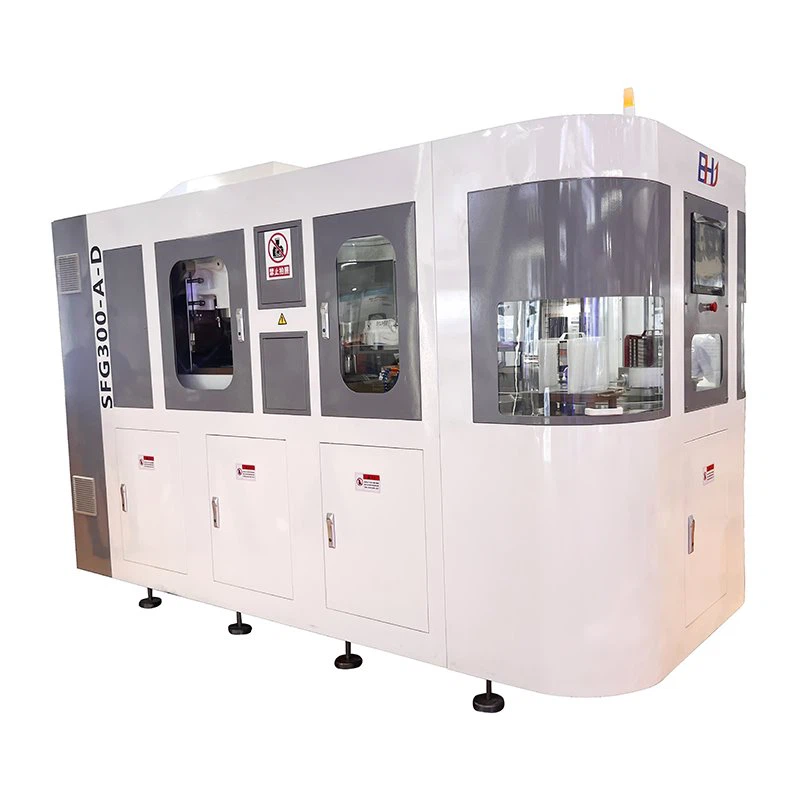
- Automation: Consider upgrading to an automated grinding machine. Automatic Through - type Grinder can perform repetitive tasks with high precision and speed, reducing the need for manual labor and increasing productivity. It can also improve the consistency of the work, as the machine will perform the same operation every time.
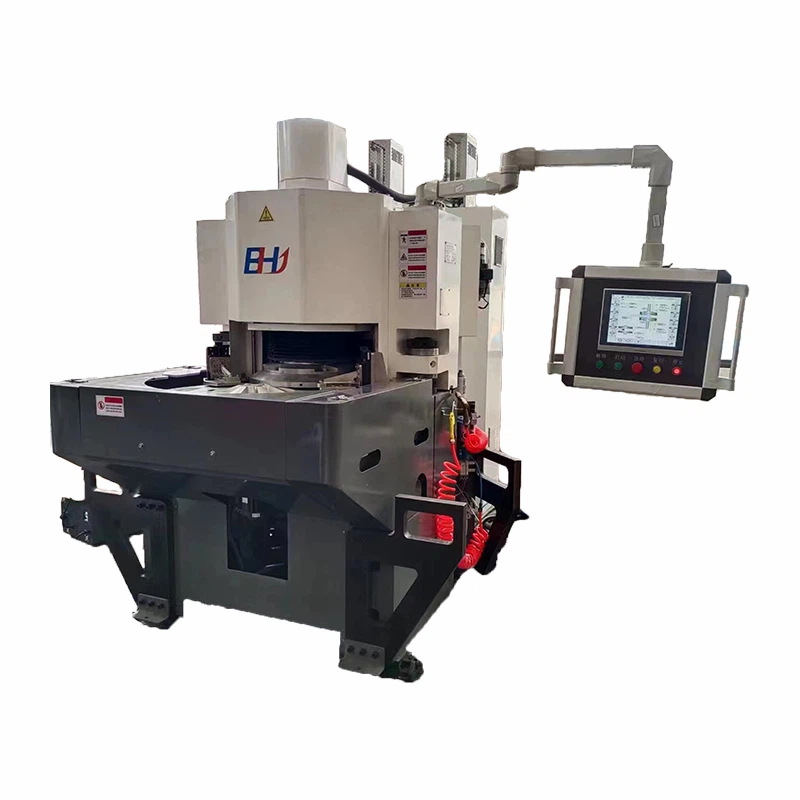
- Advanced Features: Look for machines with advanced features such as Automatic Two - axis Air Float Grinder or Automanual Single - axis Mechanical Grinder. These features can make the grinding process more efficient and accurate. For example, an air - float grinder can reduce friction and improve the surface finish, while a single - axis mechanical grinder can be more suitable for certain types of applications.
6. Workflow Optimization
Finally, optimizing your workflow can also have a big impact on the productivity of your grinding machine.
- Batch Processing: Instead of grinding one workpiece at a time, consider batch processing. This involves grinding multiple workpieces of the same type in one operation. Batch processing can reduce the setup time and increase the overall productivity.
- Workpiece Handling: Improve the way you handle the workpieces. Use fixtures and jigs to hold the workpieces securely in place, which can reduce the setup time and improve the accuracy of the grinding process. You can also use conveyor systems to move the workpieces in and out of the grinding machine more efficiently.
In conclusion, improving the productivity of the grinding machine you buy requires a combination of regular maintenance, choosing the right components, optimizing the grinding parameters, operator training, machine upgrades, and workflow optimization. By following these tips, you can get the most out of your grinding machine and improve your bottom line.
If you're interested in learning more about our grinding machines or have any questions about improving the productivity of your existing machine, feel free to reach out. We're here to help you make the most of your investment in grinding equipment.
References
- Manufacturer's manuals for grinding machines
- Industry best practices for grinding operations
- Technical articles on grinding technology