

How to ensure the proper alignment of an Automatic Through - type Grinder?
Hey there! As a supplier of Automatic Through-type Grinders, I've seen firsthand how crucial proper alignment is for these machines. A well-aligned grinder can significantly enhance the quality of the grinding process, improve the lifespan of the equipment, and boost overall productivity. In this blog, I'll share some tips on how to ensure the proper alignment of an Automatic Through-type Grinder.
Understanding the Basics of Automatic Through-type Grinders
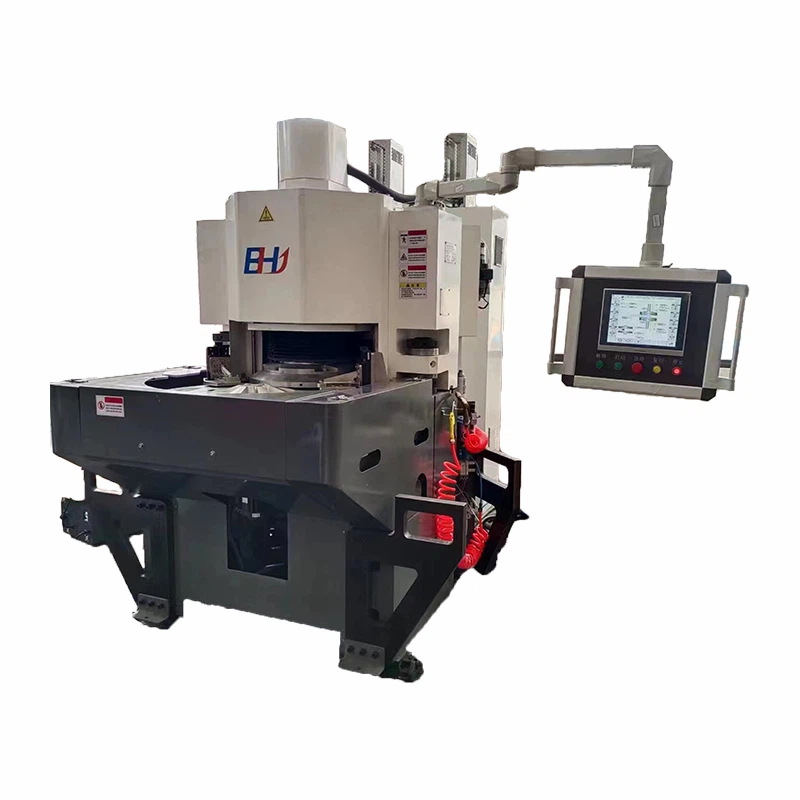
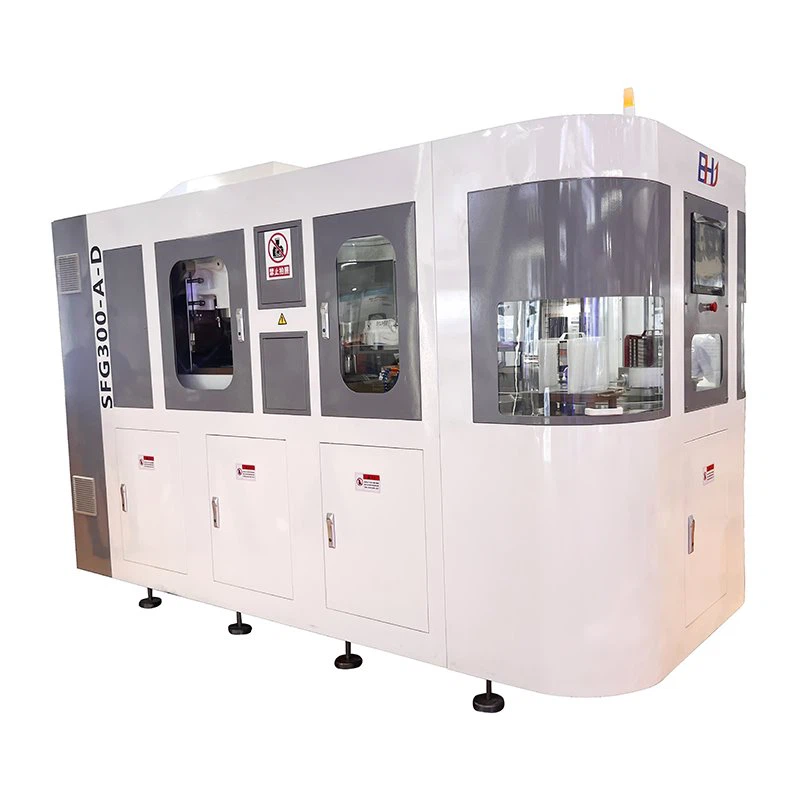
Before we dive into alignment, let's quickly go over what an Automatic Through-type Grinder is. These grinders are designed to continuously feed workpieces through the grinding area, allowing for high-volume and efficient grinding operations. They're widely used in various industries, such as automotive, aerospace, and manufacturing. You can learn more about them on our website: Automatic Through-type Grinder.
Why Proper Alignment Matters
Proper alignment is the key to getting the most out of your Automatic Through-type Grinder. When the grinder is misaligned, it can lead to a host of problems, including uneven grinding, poor surface finish, and increased wear and tear on the grinding wheels and other components. This not only affects the quality of the finished products but also increases maintenance costs and downtime.
Pre - Alignment Checks
Before you start the alignment process, it's important to conduct a few pre - alignment checks. First, make sure the grinder is clean and free of any debris or contaminants. Check the grinding wheels for any signs of damage or wear, and replace them if necessary. Also, inspect the conveyor system to ensure it's running smoothly and that there are no blockages or misalignments in the workpiece feed path.
Step - by - Step Alignment Process
1. Machine Bed Leveling
The first step in aligning an Automatic Through-type Grinder is to level the machine bed. Use a high - quality spirit level to check the horizontal and vertical levels of the bed. Adjust the leveling feet of the grinder until the bed is perfectly level. This is crucial because an uneven bed can cause the workpiece to be fed at an angle, resulting in uneven grinding.
2. Grinding Wheel Alignment
Next, focus on aligning the grinding wheels. The grinding wheels should be parallel to each other and perpendicular to the workpiece feed direction. You can use a dial indicator to measure the alignment of the wheels. Place the dial indicator on the grinding wheel and rotate the wheel slowly. Check for any variations in the reading. If there are significant variations, adjust the wheel mounting brackets until the wheels are properly aligned.
3. Conveyor Belt Alignment
The conveyor belt is responsible for feeding the workpieces through the grinder. It's essential that the conveyor belt is aligned correctly. Check the tension of the conveyor belt and make sure it's not too loose or too tight. Use a straightedge to check the alignment of the conveyor belt with respect to the grinding wheels. Adjust the belt tracking rollers if necessary to ensure the belt runs straight and centered.
4. Workpiece Guide Alignment
The workpiece guides play a vital role in guiding the workpieces through the grinder. They should be aligned parallel to the grinding wheels and the conveyor belt. Use a measuring tape and a straightedge to check the alignment of the guides. Make any necessary adjustments to ensure the workpieces are fed smoothly and accurately through the grinding area.
Using Alignment Tools
There are several alignment tools available that can make the alignment process easier and more accurate. For example, laser alignment systems can provide precise measurements and visual feedback on the alignment of the grinder components. These systems are especially useful for large - scale grinders where manual alignment can be time - consuming and prone to errors.
Regular Maintenance and Monitoring
Proper alignment is not a one - time task. It's important to perform regular maintenance and monitoring to ensure the grinder remains in alignment. Schedule regular inspections of the grinder components, and conduct alignment checks at least once a month or more frequently if the grinder is used intensively. Keep a record of the alignment measurements over time to identify any trends or potential issues.
Comparing with Other Grinder Types
While we're on the topic of grinders, it's worth mentioning some other types of grinders we offer. For example, our Automatic Two - axis Air Float Grinder offers a different approach to grinding, using air float technology for more precise and efficient grinding. And our Automanual Single - axis Mechanical Grinder provides a more flexible option for smaller - scale operations. Each type of grinder has its own alignment requirements, but the basic principles of proper alignment still apply.
Troubleshooting Alignment Issues
Even with regular maintenance, you may encounter alignment issues from time to time. If you notice uneven grinding, poor surface finish, or other signs of misalignment, don't panic. First, re - check all the alignment steps we've discussed. Look for any signs of damage or wear on the components, such as loose bolts or worn - out bearings. If you're unable to resolve the issue on your own, don't hesitate to contact our technical support team.
Conclusion
Ensuring the proper alignment of an Automatic Through-type Grinder is essential for achieving high - quality grinding results and maximizing the lifespan of the equipment. By following the steps outlined in this blog, conducting regular maintenance, and using the right alignment tools, you can keep your grinder in top - notch condition.
If you're in the market for an Automatic Through-type Grinder or need further assistance with alignment or maintenance, we'd love to hear from you. Contact us to start a conversation about your grinding needs and how we can help you get the most out of your equipment.
References
- "Grinding Technology: Theory and Applications of Machining with Abrasives" by Stephen Malkin
- "Manufacturing Engineering and Technology" by S. Kalpakjian and S. R. Schmid