

How to choose the right abrasive for an Automatic Two - axis Air Float Grinder?
Hey there! I'm a supplier of the Automatic Two - axis Air Float Grinder. Choosing the right abrasive for this amazing machine can be a bit of a head - scratcher, but don't worry, I'm here to break it down for you.
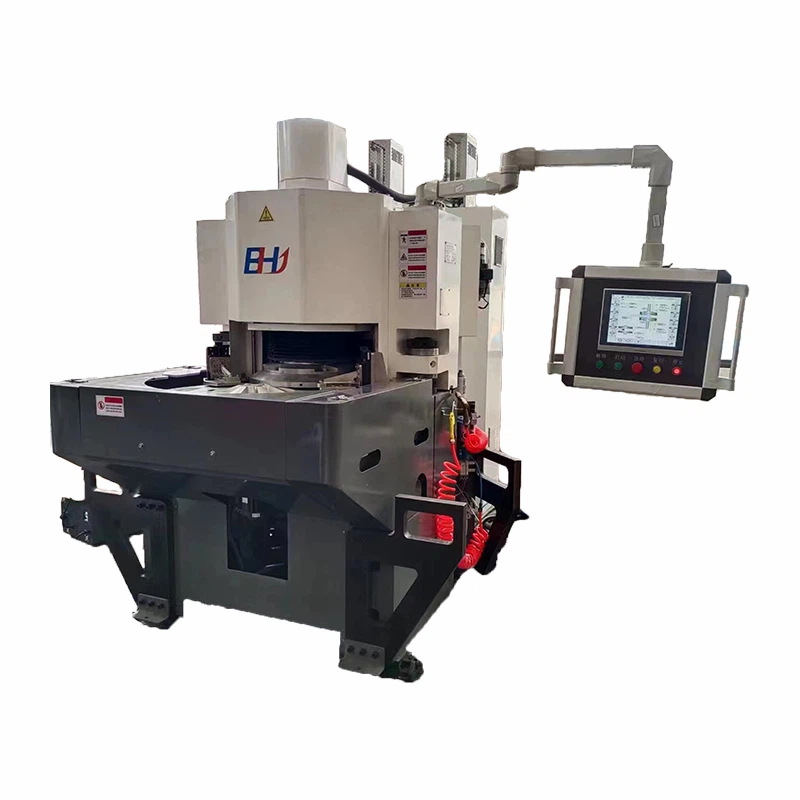
First off, let's talk about what an Automatic Two - axis Air Float Grinder is. It's a top - notch piece of equipment that offers high - precision grinding. You can check out more details about it Automatic Two - axis Air Float Grinder. This grinder uses air float technology, which provides a stable and smooth grinding process. It's great for a variety of materials and applications, but to get the best results, you need to pick the right abrasive.

Understanding Abrasive Basics
Abrasives come in different types, and each has its own unique properties. The most common types are aluminum oxide, silicon carbide, and cubic boron nitride (CBN).
Aluminum oxide abrasives are super versatile. They're tough and can handle a wide range of materials, from metals to plastics. They're also relatively inexpensive, which makes them a popular choice for many grinding jobs. If you're working on general - purpose grinding, aluminum oxide is a solid bet.
Silicon carbide abrasives, on the other hand, are harder and sharper than aluminum oxide. They're ideal for grinding hard and brittle materials like ceramics, glass, and some non - ferrous metals. However, they're a bit more expensive and wear out faster than aluminum oxide in some applications.
CBN abrasives are the heavy - hitters. They're extremely hard and can withstand high temperatures. CBN is perfect for grinding hard steels and superalloys. It gives you a high - quality finish and has a long lifespan, but it comes with a hefty price tag.
Factors to Consider When Choosing an Abrasive
Material to be Ground
The type of material you're grinding is the most important factor. If you're grinding steel, aluminum oxide is usually a good starting point. For stainless steel, you might want to consider a more specialized abrasive or a combination of abrasives. If it's a non - metallic material like stone or glass, silicon carbide is your go - to.
Let's say you're using an Automatic Through - type Grinder for a continuous grinding process. You need an abrasive that can handle the high - volume and continuous operation. For a metal - based through - grinding job, aluminum oxide would be a reliable choice due to its durability.
Surface Finish Requirements
How smooth or rough you want the final surface to be matters. If you need a super - smooth finish, you'll need a finer - grit abrasive. Grit refers to the size of the abrasive particles. A lower grit number means coarser particles, which are good for removing a lot of material quickly. A higher grit number means finer particles, which are used for finishing and polishing.
For example, if you're using an Automanual Single - axis Mechanical Grinder for a precision job where a smooth finish is crucial, you'd want to use a high - grit abrasive.
Grinding Speed and Pressure
The speed at which the grinder operates and the pressure applied during grinding also affect abrasive selection. Higher grinding speeds generate more heat, so you need an abrasive that can handle the heat. CBN abrasives are excellent in high - speed grinding because they can withstand the high temperatures without losing their cutting ability.
If you're applying a lot of pressure, you need a tough abrasive that won't break down easily. Aluminum oxide is a good option in high - pressure situations because of its toughness.
Cost
Let's face it, cost is always a consideration. You don't want to overspend on an abrasive if you don't have to. If your job doesn't require the highest - end abrasive, you can save some money by going with a more budget - friendly option like aluminum oxide. However, if the quality of the finish and the long - term performance are crucial, investing in a more expensive abrasive like CBN might be worth it.
Testing and Evaluation
Once you've narrowed down your choices based on the factors above, it's a good idea to do some testing. Run a few test pieces with different abrasives to see which one gives you the best results in terms of material removal rate, surface finish, and abrasive wear.
Keep in mind that the best abrasive for your Automatic Two - axis Air Float Grinder might not be the same as what works for someone else. It depends on your specific grinding requirements.
Making the Right Choice
To sum it up, choosing the right abrasive for your Automatic Two - axis Air Float Grinder boils down to understanding your grinding job. Consider the material, surface finish, grinding speed and pressure, and cost. Do some testing, and you'll be on your way to getting the best results from your grinder.
If you're still not sure which abrasive is right for you, or if you have any questions about our Automatic Two - axis Air Float Grinder, don't hesitate to reach out. We're here to help you make the best choice for your grinding needs. Whether you're a small - scale workshop or a large - scale manufacturing plant, we've got the expertise to assist you. So, if you're interested in purchasing our grinder or need more information about abrasive selection, let's start a conversation and get your grinding operations running smoothly.
References
- "Handbook of Abrasive Technology"
- "Grinding Technology: Theory and Applications of Machining with Abrasives"