

How to troubleshoot common problems of the grinding machine I buy?
As a reputable supplier of grinding machines, I understand that customers may encounter various common problems with the grinding machines they purchase. In this blog post, I will share some effective troubleshooting methods to help you solve these issues and ensure the smooth operation of your grinding machines.
1. Poor Grinding Quality
One of the most common problems users face is poor grinding quality, which can manifest as uneven surfaces, incorrect dimensions, or excessive roughness. Here are some possible causes and solutions:
Incorrect Grinding Wheel Selection
The grinding wheel is a crucial component that directly affects the grinding quality. If the grinding wheel is not suitable for the material being ground or the grinding process, it can lead to poor results. For example, using a wheel with the wrong grit size or hardness can cause uneven grinding.
Solution: Refer to the grinding machine's manual or consult with our technical support team to select the appropriate grinding wheel for your specific application. We offer a wide range of grinding wheels, and our experts can help you make the right choice. You can also explore our Automanual Single - axis Mechanical Grinder, which is designed to work with different types of grinding wheels for various grinding tasks.
Worn - out Grinding Wheel
Over time, the grinding wheel will wear out, losing its sharpness and ability to grind effectively. A worn - out wheel can cause rough surfaces and inaccurate dimensions.
Solution: Regularly inspect the grinding wheel for signs of wear. If it is worn beyond the recommended limit, replace it immediately. We provide high - quality replacement grinding wheels that are compatible with our machines, ensuring consistent grinding performance.
Incorrect Machine Settings
Improper settings such as feed rate, spindle speed, and depth of cut can also result in poor grinding quality. For instance, a too - high feed rate may cause the grinding wheel to overload, leading to uneven grinding.
Solution: Review the machine's settings and adjust them according to the material being ground and the desired grinding results. Our grinding machines come with detailed user manuals that provide guidelines on setting the optimal parameters. If you are still unsure, our technical support team can assist you in fine - tuning the settings.
2. Excessive Noise and Vibration
Excessive noise and vibration during the grinding process can not only be a nuisance but also indicate potential problems with the machine. Here are the possible causes and solutions:
Unbalanced Grinding Wheel
An unbalanced grinding wheel is a common cause of excessive vibration and noise. When the wheel is not properly balanced, it can create uneven forces during rotation, leading to vibrations.
Solution: Use a wheel balancing device to check and balance the grinding wheel. Most modern grinding machines have provisions for easy wheel balancing. If you are unsure how to balance the wheel, our technicians can provide on - site training or assistance.
Loose Machine Components
Loose bolts, nuts, or other components can cause vibrations and noise. Over time, the constant operation of the machine can cause these components to loosen.
Solution: Regularly inspect the machine for loose components and tighten them as needed. Pay special attention to the spindle, motor mounts, and other critical parts. Our machines are designed for easy maintenance, and we provide detailed maintenance guides to help you keep your machine in good condition.
Worn - out Bearings
Worn - out bearings can also contribute to excessive noise and vibration. Bearings support the rotating parts of the machine, and when they are worn, they can cause the parts to move erratically.
Solution: If you suspect that the bearings are worn, have them replaced by a professional technician. We offer high - quality replacement bearings that are specifically designed for our grinding machines, ensuring smooth and quiet operation.
3. Machine Overheating
Machine overheating is a serious problem that can damage the components and reduce the lifespan of the grinding machine. Here are the possible causes and solutions:
Insufficient Lubrication
Lack of proper lubrication can cause friction between moving parts, generating heat. This is especially true for the spindle and other high - speed rotating components.
Solution: Check the lubrication levels regularly and refill the lubricant as needed. Use the recommended lubricant specified in the machine's manual. Our machines are designed to be easy to lubricate, and we provide detailed instructions on the lubrication process.
Overloading the Machine
Running the machine at a higher capacity than it is designed for can cause it to overheat. This can happen if you are grinding large or hard materials without adjusting the settings properly.
Solution: Avoid overloading the machine. Refer to the machine's specifications to determine its maximum capacity and operate it within those limits. If you need to grind larger or harder materials, consider upgrading to a more powerful model such as our Automatic Through - type Grinder, which is designed for heavy - duty grinding tasks.
Poor Ventilation
If the machine is located in an area with poor ventilation, the heat generated during operation cannot dissipate effectively, leading to overheating.
Solution: Ensure that the machine is installed in a well - ventilated area. Keep the ventilation openings of the machine clear of dust and debris. If necessary, you can install additional ventilation equipment to improve the airflow around the machine.
4. Electrical Problems
Electrical problems can prevent the grinding machine from operating properly or even pose a safety hazard. Here are the possible causes and solutions:
Faulty Electrical Connections
Loose or damaged electrical connections can cause intermittent power supply or short circuits. This can lead to the machine not starting or shutting down unexpectedly.
Solution: Inspect the electrical connections regularly and tighten any loose connections. Replace any damaged wires or connectors. If you are not familiar with electrical work, it is recommended to have a qualified electrician perform the inspection and repairs.
Malfunctioning Control Panel
The control panel is responsible for controlling the various functions of the machine. If it malfunctions, the machine may not operate correctly.
Solution: If you suspect a problem with the control panel, refer to the machine's manual for troubleshooting steps. In some cases, a simple reset may solve the problem. If the issue persists, contact our technical support team for further assistance.
Overloaded Electrical Circuit
Running too many electrical devices on the same circuit as the grinding machine can cause the circuit to overload, tripping the circuit breaker.
Solution: Ensure that the grinding machine is connected to a dedicated electrical circuit with sufficient capacity. If you need to use multiple electrical devices, consider using a power distribution unit or upgrading the electrical system.
5. Hydraulic System Problems (if applicable)
Some grinding machines are equipped with hydraulic systems for functions such as table movement and clamping. Here are the possible problems and solutions:

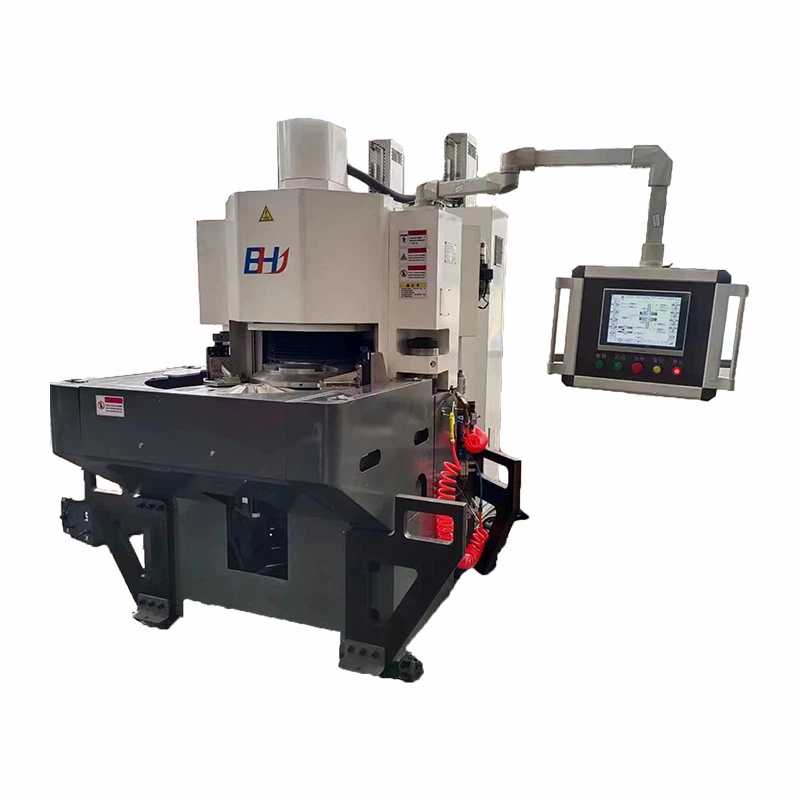
Hydraulic Fluid Leakage
Leaks in the hydraulic system can reduce the system's efficiency and cause the machine to malfunction. Leaks can occur at connections, seals, or hoses.
Solution: Inspect the hydraulic system regularly for signs of leakage. If a leak is detected, identify the source and repair it. Replace any damaged seals or hoses. Use the recommended hydraulic fluid specified in the machine's manual.
Low Hydraulic Pressure
Low hydraulic pressure can cause the machine's hydraulic functions to operate slowly or not at all. This can be due to a leak, a clogged filter, or a malfunctioning pump.
Solution: Check the hydraulic fluid level and the filter. If the fluid level is low, refill it. Replace the filter if it is clogged. If the problem persists, it may be a problem with the pump, and you should contact our technical support team for further diagnosis and repair.
Conclusion
By following these troubleshooting methods, you can effectively solve the common problems of the grinding machines you purchase. However, if you encounter any problems that you are unable to solve on your own, do not hesitate to contact our technical support team. We are committed to providing high - quality products and excellent after - sales service to ensure that your grinding machine operates smoothly and efficiently.
If you are interested in purchasing a grinding machine or have any questions about our products, we welcome you to contact us for procurement and negotiation. Our team of experts will be happy to assist you in finding the right grinding machine for your needs.
References
- Grinding Machine User Manuals
- Industry Standards for Grinding Machine Maintenance and Troubleshooting