

How to optimize the abrasive consumption in a single - sided polishing machine?
Optimizing abrasive consumption in a single - sided polishing machine is crucial for both cost - effectiveness and environmental sustainability. As a supplier of single - sided polishing machines, I understand the significance of this issue and have gained extensive experience in helping our customers achieve optimal abrasive usage. In this blog, I will share some practical strategies and insights on how to optimize abrasive consumption in a single - sided polishing machine.
Understanding the Abrasive Consumption Process
Before delving into optimization strategies, it is essential to understand how abrasives are consumed during the single - sided polishing process. Abrasives are used to remove material from the surface of the workpiece, gradually wearing down as they perform their function. The rate of abrasive consumption is influenced by several factors, including the type of abrasive, the hardness and roughness of the workpiece, the polishing pressure, and the rotational speed of the polishing machine.
Selecting the Right Abrasive
The choice of abrasive is one of the most critical factors in optimizing abrasive consumption. Different abrasives have different properties, such as hardness, grain size, and shape, which can significantly affect their performance and consumption rate. For example, diamond abrasives are extremely hard and are suitable for polishing hard materials like ceramics and sapphire. However, they are also relatively expensive. On the other hand, silicon carbide abrasives are more cost - effective and can be used for a wide range of materials.

When selecting an abrasive, it is important to consider the specific requirements of the polishing process. For instance, if the workpiece has a high hardness, a harder abrasive may be needed to achieve the desired surface finish. At the same time, the grain size of the abrasive should be chosen according to the initial roughness of the workpiece. A coarser grain size can be used for rough polishing, while a finer grain size is more suitable for finishing.
Controlling the Polishing Parameters
Another effective way to optimize abrasive consumption is to control the polishing parameters. The polishing pressure, rotational speed, and polishing time all have a significant impact on the amount of abrasive used.
- Polishing Pressure: Applying excessive pressure can lead to rapid abrasive wear and increased consumption. On the other hand, insufficient pressure may result in poor polishing quality. Therefore, it is important to find the optimal pressure for the specific workpiece and abrasive. This can be determined through trial - and - error or by referring to the manufacturer's recommendations.
- Rotational Speed: The rotational speed of the polishing machine also affects abrasive consumption. A higher rotational speed can increase the material removal rate, but it may also cause more abrasive to be worn away. It is necessary to balance the rotational speed to achieve an efficient polishing process without excessive abrasive consumption.
- Polishing Time: Prolonged polishing time can lead to unnecessary abrasive consumption. Once the desired surface finish is achieved, the polishing process should be stopped. Regularly monitoring the surface quality during the polishing process can help determine the appropriate polishing time.
Recycling and Reusing Abrasives
Recycling and reusing abrasives is an effective way to reduce abrasive consumption and costs. Many abrasives can be recycled by separating the used abrasive from the debris and adding a small amount of fresh abrasive. This not only reduces the amount of new abrasive needed but also helps to minimize waste.
There are several methods for recycling abrasives. One common method is to use a centrifuge to separate the abrasive from the debris. Another method is to use a magnetic separator to remove ferrous debris from the abrasive. After recycling, the abrasive can be reused in the polishing process, which can significantly reduce the overall abrasive consumption.
Regular Maintenance of the Polishing Machine
Regular maintenance of the single - sided polishing machine is essential for optimizing abrasive consumption. A well - maintained machine can operate more efficiently, reducing the amount of abrasive needed.
- Cleaning: Regularly cleaning the polishing machine can prevent the accumulation of debris, which can affect the performance of the abrasive. The polishing pad and other components should be cleaned after each use to ensure a clean and smooth polishing surface.
- Inspection and Adjustment: Regularly inspecting the polishing machine for any signs of wear or damage is important. Worn parts should be replaced promptly to ensure the proper functioning of the machine. Additionally, the alignment and calibration of the machine should be checked regularly to ensure accurate polishing.
Utilizing Advanced Technology
Advancements in technology have led to the development of more efficient single - sided polishing machines. For example, some modern polishing machines are equipped with intelligent control systems that can automatically adjust the polishing parameters based on the workpiece and the abrasive. These systems can optimize the polishing process, reducing abrasive consumption and improving the quality of the polished surface.
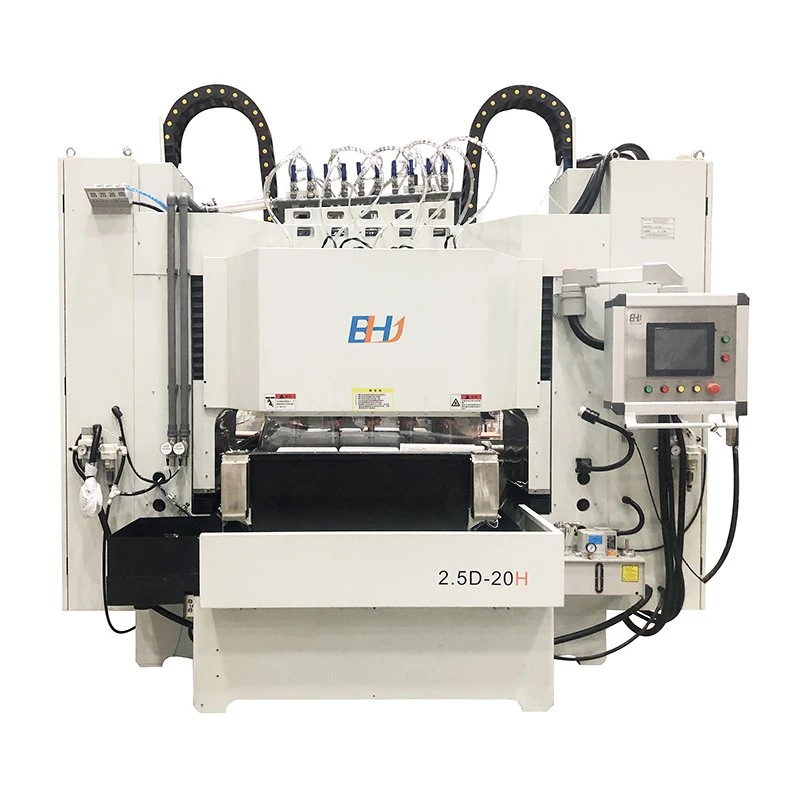
If you are interested in upgrading your polishing equipment, we offer a range of high - quality polishing machines, such as the Semi - automatic Chemical Mechanical Polishing Machine, Upgrade Double - side Polishing Machine, and 2.5D Multi - station Automatic High - speed Polishing Machine. These machines are designed to optimize abrasive consumption and improve the efficiency of the polishing process.
Conclusion
Optimizing abrasive consumption in a single - sided polishing machine is a multi - faceted task that requires a combination of proper abrasive selection, parameter control, recycling, maintenance, and the use of advanced technology. By implementing these strategies, our customers can not only reduce costs but also contribute to environmental sustainability.
If you are looking to optimize the abrasive consumption in your single - sided polishing process or are interested in our polishing machines, please feel free to contact us for further discussion and procurement negotiation. We are committed to providing you with the best solutions for your polishing needs.
References
- "Handbook of Polishing Technology", John Wiley & Sons.
- "Advanced Materials Polishing", Springer.
- Industry research reports on single - sided polishing machines.